Part 1: Market Size and Growth

Syria has one of the world’s oldest glassmaking traditions, stretching back thousands of years. Ancient cities like Damascus and Armanaz were famous for their glass-blowing artistry, producing colorful vessels, ornaments, and functional drinkware. This heritage continues today, though modern production faces significant challenges due to economic conditions and limited industrial investment.
In recent decades, Syria’s glass industry has focused mainly on container glass-bottles, jars, and packaging materials-used in food, beverage, and pharmaceutical sectors. While the country’s industrial base has seen setbacks, several modern factories have managed to maintain operations, producing quality glass containers and exploring small-scale domestic consumer glassware.
The local demand for glassware is driven by the hospitality sector, household needs, and traditional craft markets. Artisans still produce decorative drinkware and tableware by hand, reflecting centuries of cultural craftsmanship. Although large-scale exports remain limited, the combination of industrial and artisan glass production positions Syria as a country with strong historical roots and developing potential in specialty glass products.
Part 2: Leading Companies
The Modern Company for Glass Industries (MCGI)
Overview:
The Modern Company for Glass Industries, commonly known as MCGI, was founded in 2010 in the Hasyaa Industrial Zone near Homs. It is Syria’s most advanced producer of glass containers, supplying bottles and jars for the beverage, food, and pharmaceutical industries. The company continues to invest in equipment and technology to improve efficiency and meet local and regional demand.
Products and Services:
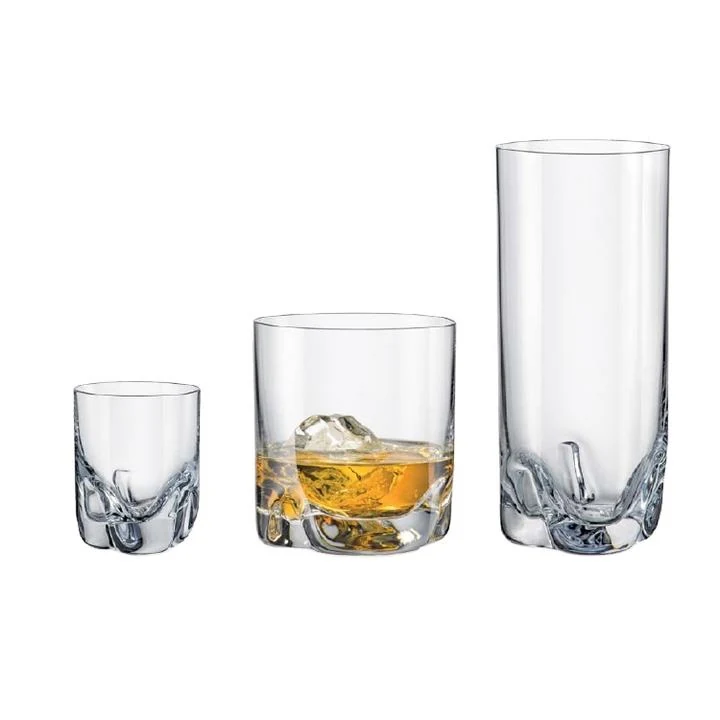
MCGI manufactures a range of glass bottles and jars in multiple colors and sizes, suitable for oils, juices, sauces, and pharmaceutical liquids. It also offers design customization for branded packaging.
Main Service Industries:
Food packaging, beverage bottling, cosmetics, and pharmaceuticals.
Technological Innovations:
The company operates modern melting furnaces and automatic forming machines. Its investment in inspection and packaging systems ensures product quality and consistency. MCGI also emphasizes sustainable manufacturing by using recycled glass cullet.
Certifications or Honors:
The company follows international quality systems and has adopted energy-efficient production methods to reduce its carbon footprint.
Relevance for Drinkware Manufacturing:
While MCGI’s core business lies in packaging glass, its production infrastructure provides a foundation that could support custom drinkware manufacturing if adapted for hollow glass production.
Armanaz Glassmaking Artisans
Overview:
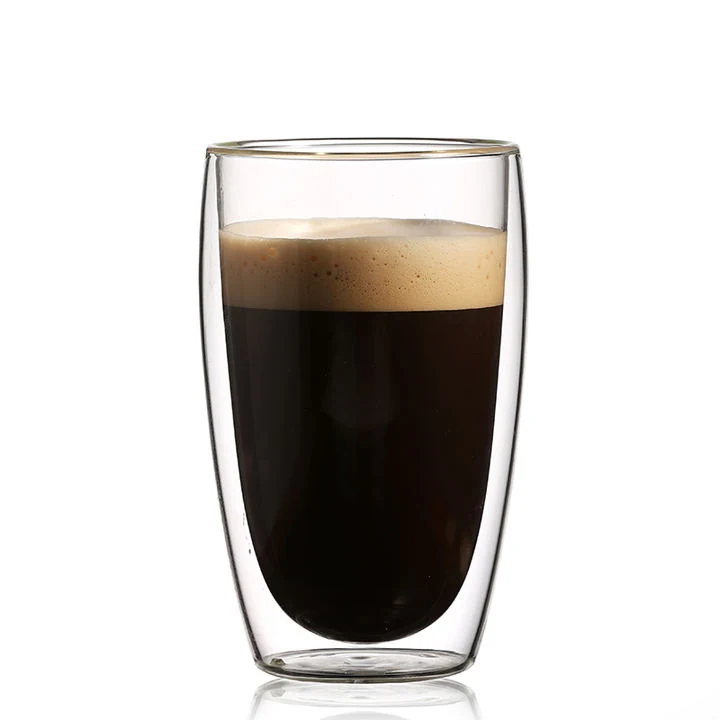
The town of Armanaz, located in northern Syria, is historically famous for its artisan glassmakers. Local craftsmen have preserved ancient glass-blowing methods, producing unique hand-made glass items such as cups, tumblers, vases, and lamps. These traditional workshops remain active today, maintaining Syria’s cultural legacy in artistic glassmaking.
Products and Services:
Hand-blown drinkware, decorative tableware, vases, and artistic glass ornaments. Each piece is crafted individually, giving it a distinctive aesthetic appeal.
Main Service Industries:
Tourism, interior decoration, giftware, and boutique retail.
Technological Innovations:
Armanaz artisans focus on manual techniques rather than automation. They use recycled glass and natural coloring methods, combining sustainability with traditional craftsmanship.
Certifications or Honors:
While not industrially certified, their work is recognized regionally for its quality and authenticity.
Relevance for Drinkware Manufacturing:
These artisans can supply limited-edition drinkware for luxury hospitality or boutique export markets. However, their small production scale limits mass-market applications.
Damascus Glass Factory
Overview:
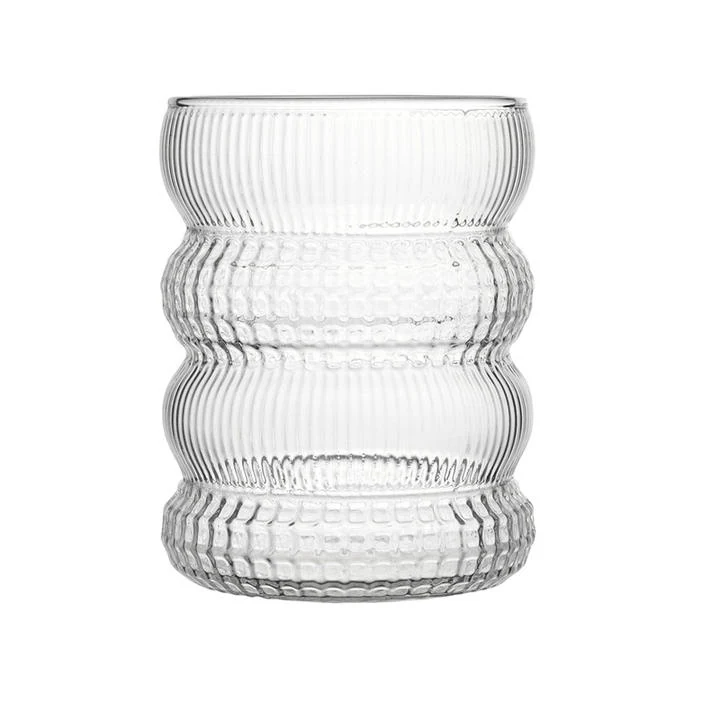
Based near the capital, the Damascus Glass Factory specializes in both industrial and semi-artisan glass production. It manufactures a variety of glass products including containers, jars, and simple household glassware. The factory serves as a bridge between large-scale manufacturing and handcrafted production.
Products and Services:
Household glassware, drinkware, small jars, and customized bottles.
Main Service Industries:
Retail, food service, and household goods.
Technological Innovations:
The factory uses mid-scale automated forming machines combined with traditional finishing techniques. It has developed eco-friendly glass products through energy-saving processes.
Certifications or Honors:
Local quality certifications and recognition from the industrial chamber for sustainable practices.
Relevance for Drinkware Manufacturing:
Its combination of machine-assisted production and skilled handwork allows flexibility in producing both standard and decorative glassware for local and regional buyers.
| Company | Founded / Location | Core Products | Industries | Certifications / Notes |
|---|---|---|---|---|
| The Modern Company for Glass Industries (MCGI) | 2010 / Hasyaa Industrial Zone, Homs | Glass bottles, jars, containers | Food, beverage, pharmaceutical | Modernized production, energy-efficient |
| Armanaz Glassmaking Artisans | Historic / Armanaz, Idlib | Hand-blown cups, vases, décor glass | Giftware, tourism, interior design | Traditional craft, limited capacity |
| Damascus Glass Factory | Established 1990s / Damascus | Glassware, jars, drinkware | Household, food service, retail | Local certifications, semi-automated |
Part 3: Trade Shows and Industry Events
Syrian Packaging and Glass Expo

Overview:
This trade fair highlights Syria’s packaging and container glass industries. It brings together manufacturers, suppliers, and distributors from the food and beverage sectors. While the event primarily focuses on industrial packaging, it also features sections for household and decorative glass products.
Date and Location: Annual, held in Damascus.
Attendee Information: Industrial producers, packaging specialists, and hospitality suppliers.
Event Highlights: Modern furnace technologies, recycling initiatives, packaging design, and supplier networking.
Damascus Handicraft and Artisan Glass Fair
Overview:
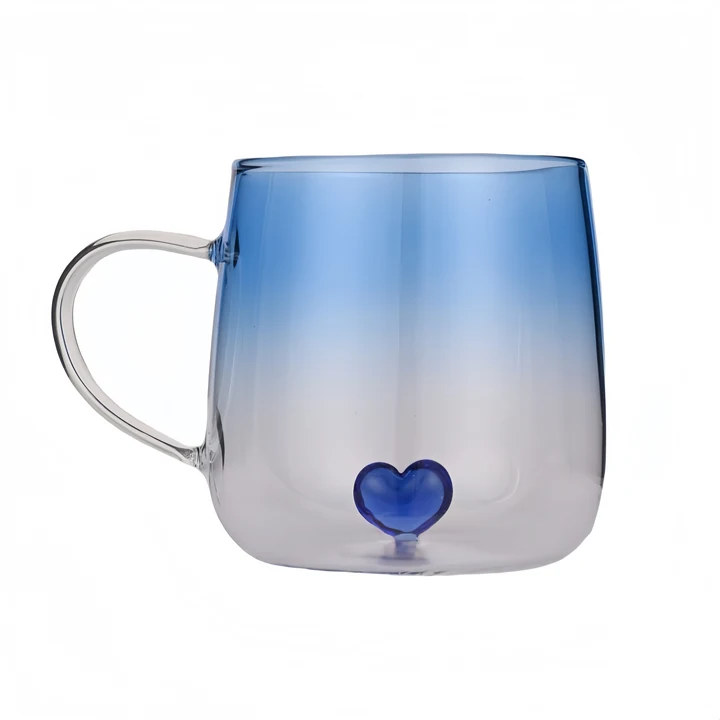
A celebration of Syria’s traditional craftsmanship, this fair showcases hand-made glass products from Damascus, Aleppo, and Armanaz. The event supports artisans by connecting them with retailers and export buyers.
Date and Location: Annual, Damascus Old City.
Attendee Information: Artisans, boutique retailers, cultural organizations, and tourists.
Event Highlights: Hand-blown drinkware, stained glass art, and decorative vases.
| Event | Date | Location | Highlights |
|---|---|---|---|
| Syrian Packaging and Glass Expo | Annual | Damascus | Packaging glass, technology, sustainability |
| Damascus Handicraft and Artisan Fair | Annual | Damascus Old City | Handmade drinkware, decorative glass art |
Part 4: Impact of Global Trade Policies
Syria’s glassware sector operates under challenging trade conditions due to economic sanctions, limited exports, and constrained logistics. Importing raw materials like silica and soda ash can be difficult, leading manufacturers to rely heavily on recycled glass. Despite these challenges, there is strong resilience among local producers who continue to innovate and maintain operations under pressure.
Trade with neighboring countries like Lebanon and Iraq supports limited exports of containers and glassware. Local producers have developed practical solutions, such as smaller batch production, simplified packaging, and local distribution networks. For companies aiming to source from Syria, it is crucial to assess logistics, quality control, and reliability.
From a sustainability perspective, glass recycling has become increasingly important. Factories are repurposing cullet to lower production costs and reduce dependence on imported materials. The growth of the domestic hospitality sector, driven by gradual economic recovery in some areas, also fuels steady demand for drinkware and tableware.
While trade barriers remain significant, Syria’s historic skill base and growing small-scale production offer long-term potential. With the right support and modernization, its glass industry could reemerge as a regional supplier of both industrial containers and artisan glassware.
Part 5: Conclusion
Syria’s glassware industry combines centuries-old tradition with modern industrial resilience. Companies like MCGI represent the industrial backbone, producing packaging glass for essential sectors, while the artisans of Armanaz and producers in Damascus continue to craft unique handmade glass products that carry cultural significance.
For businesses looking for customized, design-rich drinkware, Syria provides rare craftsmanship and authenticity. However, large-scale OEM or ODM production faces hurdles such as limited infrastructure, inconsistent logistics, and regulatory restrictions. Buyers should approach sourcing with realistic expectations, focusing on small batches, design collaborations, and niche market applications.
In the long term, Syria’s revival of its historic glassmaking culture, supported by sustainable practices and cross-border cooperation, could restore its reputation as a center of glass artistry and industrial expertise in the Middle East.
Recommended Reading:
- Glassware Manufacturers in Tajikistan
- Glassware Manufacturers in Suriname
- Glassware Manufacturers in Sudan
- Glassware Manufacturers in Solomon Islands
- Glassware Manufacturers in Slovenia
- Glassware Manufacturers in Slovakia
- Glassware Manufacturers in Seychelles
- Glassware Manufacturers in Senegal
Round glass reed diffuser bottles wholesale
Small Rollerball Perfume Bottles With Aluminum Caps 3ml 6ml 12ml
Glass Bottle Manufacturers in Lebanon
Wholesale Hexagonal Jam Jars with Metal Lids