Skip to content
Part 1: Market Size and Growth
The glassware industry in the Marshall Islands is small but developing, driven mainly by the growing demand for sustainable packaging and decorative products in the local market. Due to the country’s geographical isolation and limited industrial infrastructure, much of the glassware consumed in the Marshall Islands has historically been imported. However, recent interest in local production and eco-friendly alternatives to plastic has led to the emergence of small-scale glassware manufacturers and recyclers focused on producing reusable glass containers.
The main demand for glass products comes from the food and beverage, hospitality, and tourism sectors. With tourism forming a cornerstone of the economy, hotels, restaurants, and resorts are major consumers of glass tableware and decorative glass items. Additionally, there is a rising interest in sustainable packaging for bottled beverages, sauces, and handmade products intended for export or sale to tourists. This trend is encouraging local entrepreneurs to invest in small manufacturing facilities and recycling programs to meet domestic needs.
The Marshall Islands’ focus on reducing plastic waste has opened the door for glass to become a sustainable alternative in everyday use. While the country lacks large-scale glass factories, it benefits from regional collaborations and import partnerships with manufacturers from Asia and Oceania. Over time, this growing emphasis on sustainability and recycling is expected to drive gradual growth in the local glassware industry.
Part 2: Leading Companies
Majuro Glassworks
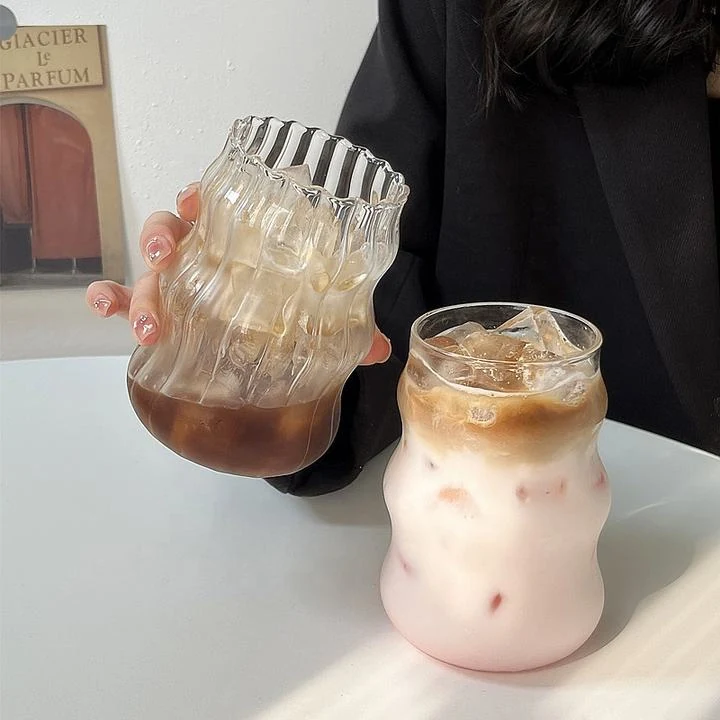
Majuro Glassworks is one of the pioneering small-scale glass producers in the Marshall Islands. Founded in 2012 in Majuro, the capital city, the company focuses on manufacturing and recycling glass containers for local use. Majuro Glassworks plays a vital role in the country’s effort to reduce plastic dependency by offering durable, eco-friendly packaging and decorative glass products.
The company produces a range of products, including glass bottles, jars, and containers for the food and beverage industry, as well as hand-blown glass decor for hotels and retail stores. It also provides bottle recycling services, converting used glass into reusable packaging for local producers and artisans.
Majuro Glassworks serves industries such as food and beverage, hospitality, and tourism. Its clients include local restaurants, beverage companies, and hotels that prioritize sustainable practices. The company’s operations emphasize the use of recycled glass cullet, reducing waste and promoting environmental conservation.
Sustainability is central to Majuro Glassworks’ mission. The company uses energy-efficient equipment and manual craftsmanship to minimize emissions. Although small in scale, it adheres to high production standards and collaborates with regional partners for material sourcing and technology sharing.
| Company | Founded | Core Products | Industries | Certifications |
|---|---|---|---|---|
| Majuro Glassworks | 2012 | Bottles, Jars, Decorative glass | Food & Beverage, Hospitality, Tourism | Local Quality Compliance |
Pacific Island Glass
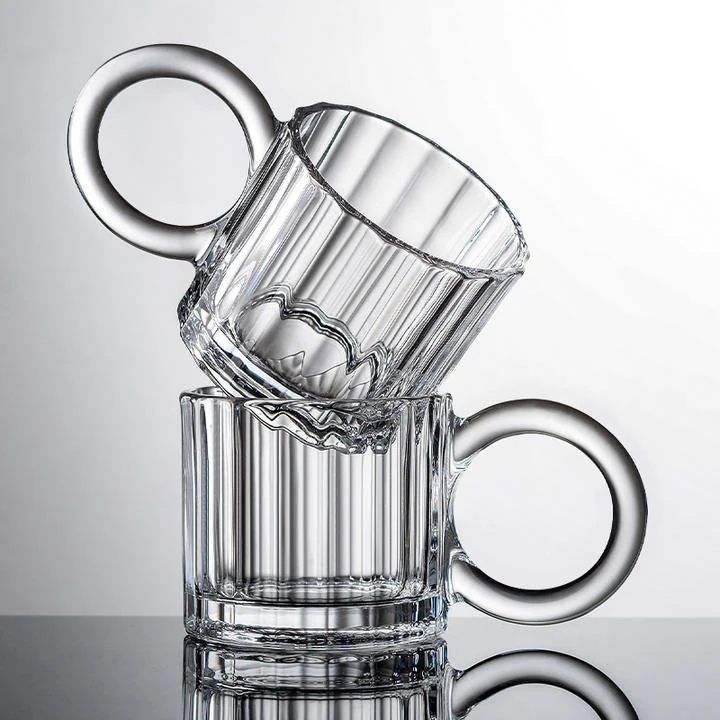
Pacific Island Glass is a regional initiative that serves the Marshall Islands and neighboring Pacific nations, producing sustainable glass packaging and artisanal glassware. Founded in 2015, the company operates a small distribution hub in Majuro to supply locally made and imported glass containers. Pacific Island Glass has become a trusted name in providing reliable, recyclable glass packaging for local beverage producers and craft businesses.
The company manufactures and distributes glass bottles, jars, and tableware designed for small beverage producers, hotels, and restaurants. Pacific Island Glass also offers decorative glass pieces for home decor and the tourism market, catering to visitors seeking unique souvenirs made from recycled materials.
Pacific Island Glass serves industries such as food and beverage, hospitality, and crafts. It has earned recognition for helping local producers adopt sustainable packaging solutions that meet regional environmental goals. Through partnerships with recycling initiatives in Fiji and Australia, the company is contributing to circular economy efforts in the Pacific region.
The company’s commitment to sustainability includes energy-efficient production, the use of recycled materials, and educational outreach to encourage glass reuse in local communities. Pacific Island Glass adheres to ISO 9001 quality management principles through its partner facilities abroad.
| Company | Founded | Core Products | Industries | Certifications |
|---|---|---|---|---|
| Pacific Island Glass | 2015 | Bottles, Jars, Tableware, Decor | Food & Beverage, Hospitality, Crafts | ISO 9001 (Partner) |
Green ReGlass Marshall
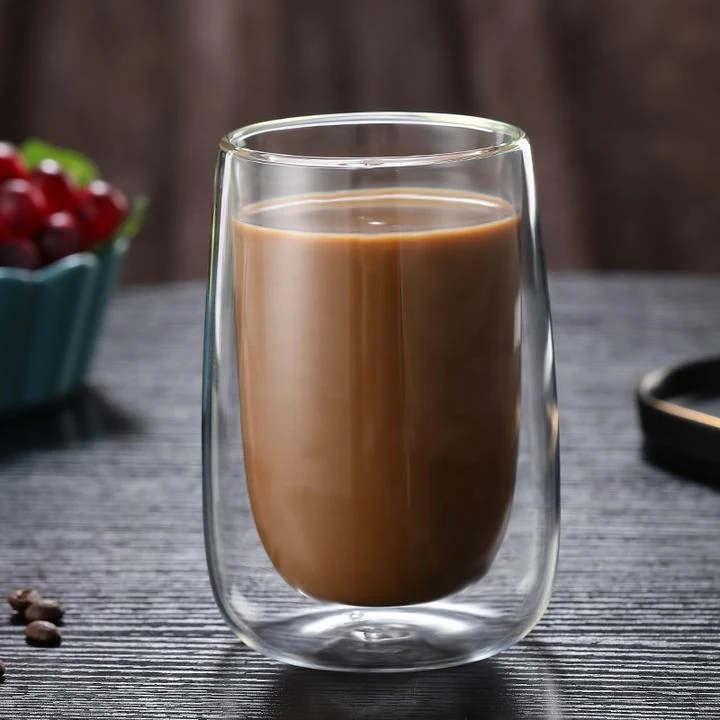
Green ReGlass Marshall is a local recycling and glass art company established in 2018 to promote sustainable waste management and creative reuse of glass materials. Based in Majuro, the company transforms discarded glass bottles into new products, including tableware, tiles, and decorative art pieces. It plays a critical role in raising environmental awareness and supporting local employment.
The company produces various upcycled glass products, from beverage glasses and bowls to mosaic materials used in local architecture and crafts. Green ReGlass Marshall also collaborates with hotels and resorts to supply eco-friendly decorative glass pieces and tableware, aligning with sustainable tourism goals.
Green ReGlass Marshall serves industries such as hospitality, home decor, and environmental services. It partners with community organizations to collect glass waste and turn it into marketable products, promoting both environmental responsibility and local craftsmanship.
Sustainability is at the heart of Green ReGlass Marshall’s operations. The company uses low-energy equipment and locally sourced waste glass to minimize its carbon footprint. Although small, it has become an important part of the Marshall Islands’ movement toward sustainability and waste reduction.
| Company | Founded | Core Products | Industries | Certifications |
|---|---|---|---|---|
| Green ReGlass Marshall | 2018 | Upcycled glassware, Decor, Tiles | Hospitality, Home Decor, Crafts | Local Quality Compliance |
Part 3: Trade Shows and Industry Events
Pacific Trade & Invest Expo
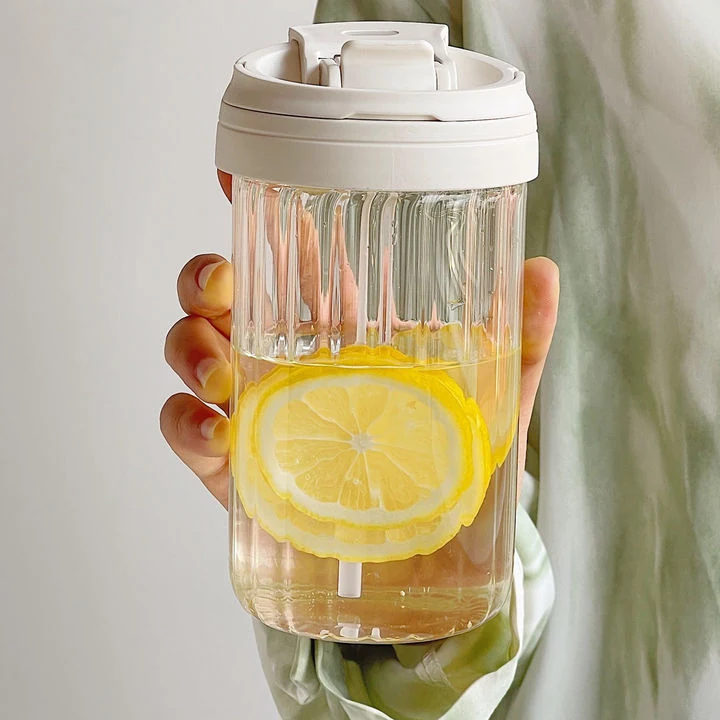
The Pacific Trade & Invest Expo is one of the most important trade events in the region, focusing on sustainable industries, trade partnerships, and innovation. It provides an opportunity for Marshallese manufacturers to promote locally made glassware, recycled products, and packaging solutions to regional and international buyers.
Date & Location: Annually in September, Suva, Fiji.
Event Highlights: The event emphasizes sustainability and regional cooperation. Participants from the Marshall Islands showcase eco-friendly glass products, discuss trade partnerships, and explore export opportunities within the Pacific region.
Island Sustainability Conference
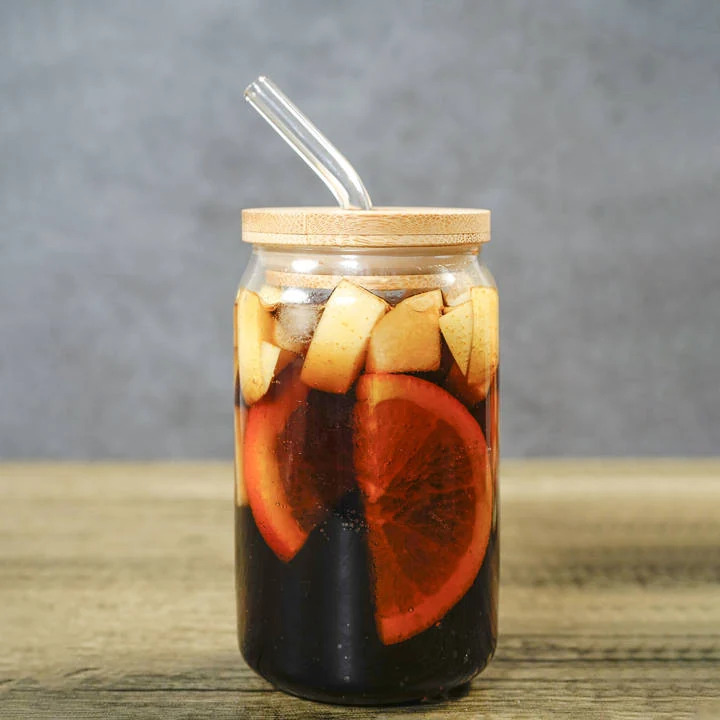
The Island Sustainability Conference focuses on environmental innovation and green manufacturing in small island economies. It attracts businesses, NGOs, and policymakers working on sustainable solutions for island nations, including waste management and eco-friendly materials.
Date & Location: Annually in April, Honolulu, Hawaii.
Event Highlights: The conference includes workshops on recycling, glass manufacturing, and sustainable trade practices. It provides a platform for companies like Green ReGlass Marshall to share their experiences and learn about international best practices in sustainability.
| Event | Date | Location | Highlights |
|---|---|---|---|
| Pacific Trade & Invest Expo | September | Suva, Fiji | Sustainable trade, Eco-friendly glass, Networking |
| Island Sustainability Conference | April | Honolulu, Hawaii | Green manufacturing, Recycling, Circular economy |
Part 4: Impact of Global Trade Policies
As a small island nation, the Marshall Islands depends heavily on trade agreements and regional partnerships to support its manufacturing and supply chains. Membership in the Pacific Islands Forum and trade cooperation with countries such as Australia, New Zealand, and the United States enable local glassware producers to import raw materials and export finished products with reduced tariffs. These trade arrangements are essential to maintaining affordability and competitiveness for small-scale manufacturers.
Global environmental initiatives and trade policies focused on sustainability are also influencing the glassware sector. The Marshall Islands, a leader in climate change advocacy, has adopted policies encouraging waste reduction, recycling, and green manufacturing. Local companies benefit from international grants and programs that support sustainable development and renewable energy use in production.
Part 5: Conclusion
The glassware industry in the Marshall Islands is small but rapidly evolving, driven by sustainability, tourism, and community innovation. Companies such as Majuro Glassworks, Pacific Island Glass, and Green ReGlass Marshall are leading efforts to replace plastic with reusable, recyclable glass products while promoting eco-friendly manufacturing practices.
Despite challenges such as limited industrial infrastructure and high production costs, the Marshall Islands’ growing focus on recycling, sustainability, and regional trade partnerships is creating new opportunities. By continuing to invest in local production capacity and environmental innovation, the nation’s emerging glassware industry can contribute to a greener and more self-reliant economy in the Pacific.
Recommended Reading:
- Glassware Manufacturers in Luxembourg
- Glassware Manufacturers in Malawi
- Glassware Manufacturers in Maldives
- Glassware Manufacturers in Mali
- Glassware Manufacturers in Malta
- Glassware Manufacturers in Kyrgyzstan
- Glassware Manufacturers in Kazakhstan
- Glassware Manufacturers in Laos
Durable Recyclable 20oz Pickle Cucumber Glass Jar with Metal Lids
530ml Christmas Tree Mason Jars With Plastic Screw Cap
350ml Tequila Glass Bottle with Plastic Lid
Glass Bottle Manufacturers in Botswana