Skip to content
Part 1: Market Size and Growth
The glassware industry in the United States has evolved from traditional household production to a diversified, technology-driven manufacturing sector. From everyday kitchen glassware to specialized optical and laboratory products, the market demonstrates steady resilience. Consumer demand for sustainable, high-quality, and design-oriented glassware continues to rise, pushing manufacturers to upgrade both materials and technology.
In recent years, the U.S. glassware market has benefited from trends in home dining, hospitality, and beverage culture. Companies that produce wine glasses, tumblers, and barware have seen renewed growth as consumers focus more on aesthetics and function. The craft beverage boom, including the popularity of small-batch wines and artisanal beers, has created fresh opportunities for both traditional and boutique manufacturers.
Government policies and regional investments have also strengthened the supply chain. States like Ohio, Pennsylvania, and New York have become key hubs for glass manufacturing due to historical expertise, abundant resources, and skilled labor. With eco-friendly regulations tightening, many producers are investing in energy-efficient furnaces, recycled materials, and cleaner production methods. This shift not only aligns with global sustainability goals but also enhances brand competitiveness.
Part 2: Leading Companies
Libbey Inc.
Libbey Inc., founded in 1818 and headquartered in Toledo, Ohio, stands as one of the oldest and most respected glassware manufacturers in the U.S. Known for its strong heritage and innovative spirit, the company produces glassware for both retail and professional markets worldwide.

Libbey’s product line covers drinkware, tableware, and decorative glass pieces. They serve restaurants, bars, hotels, and consumers through multiple brands. Their collections often blend modern designs with classic durability, offering both functional and stylish options.
The company primarily serves the hospitality, retail, and home decor industries. Its global presence gives it an advantage in distribution and logistics. Libbey’s innovation lies in its glass formulation and design process, using advanced melting technology to improve transparency and strength.
Libbey has received numerous recognitions, including sustainability awards for waste reduction and energy management. Its continuous efforts in product quality and environmental responsibility maintain its leading position in the glassware sector.
Anchor Hocking
Anchor Hocking, established in 1905 in Lancaster, Ohio, is another iconic American glass manufacturer. With over a century of craftsmanship, the company has developed a rich legacy in producing durable, elegant glass products for home and hospitality use.
Anchor Hocking specializes in glass kitchenware, storage containers, and bakeware. Its heat-resistant and eco-friendly glass formulations make it a trusted name in both domestic and commercial kitchens. The company emphasizes design simplicity and product practicality, often positioning itself as a reliable partner for everyday glassware needs.
Its main industries include home goods, foodservice, and retail distribution. Anchor Hocking’s technology focuses on tempered glass and recyclable production processes, enhancing safety and sustainability. Innovation and consistent quality remain the core of its long-term success.
The company has achieved ISO certifications and consumer safety recognitions. Its products are widely used across North America and exported globally, reflecting the enduring strength of American-made glass.
Arc Cardinal USA
Arc Cardinal USA operates as the American branch of the French Arc Group, combining European design heritage with U.S. production expertise. Based in Millville, New Jersey, it focuses on premium glassware for hotels, restaurants, and catering services.

The company’s portfolio includes professional-grade wine glasses, tumblers, and bar accessories. Its products are known for their balance of aesthetics, durability, and technical performance, particularly in the hospitality industry. Arc Cardinal works closely with chefs and designers to create glassware that enhances the dining experience.
Industries served include hospitality, catering, and luxury retail. Arc Cardinal is known for its innovative Kwarx® technology, which increases clarity and break resistance while remaining dishwasher-safe. This innovation gives it a strong advantage in professional settings.
The company holds numerous international certifications for quality and environmental management. Its commitment to design excellence and customer satisfaction continues to strengthen its reputation among U.S. and global clients.
| Company | Founded | Core Products | Industries | Certifications |
|---|---|---|---|---|
| Libbey Inc. | 1818 | Drinkware, Tableware | Hospitality, Retail | Energy & Waste Reduction Awards |
| Anchor Hocking | 1905 | Kitchenware, Bakeware | Foodservice, Retail | ISO Certified |
| Arc Cardinal USA | N/A | Professional Glassware | Hospitality, Catering | Quality & Environmental Standards |
Part 3: Trade Shows and Industry Events
The Inspired Home Show (Chicago)
The Inspired Home Show, held annually in Chicago, is one of the largest exhibitions for housewares and glassware in North America. It brings together thousands of global brands, showcasing innovations in home and dining products.
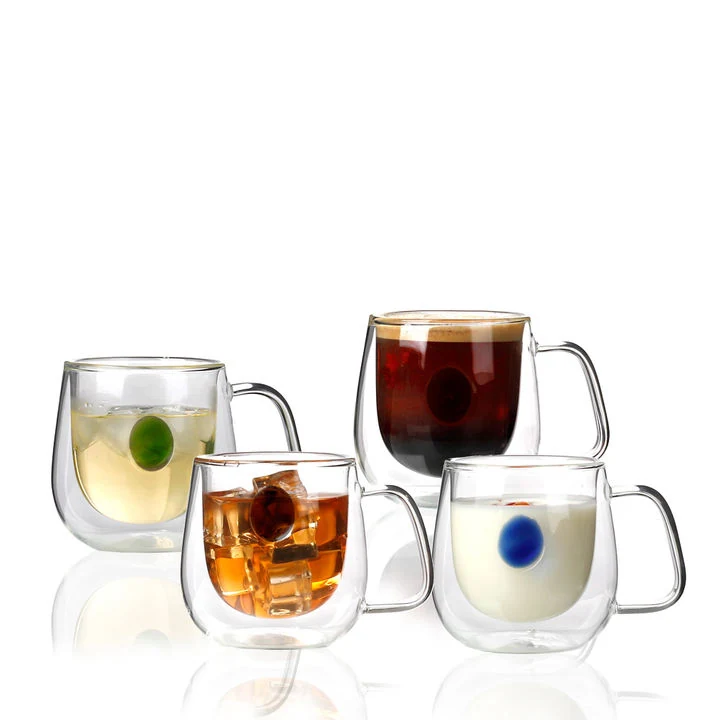
This event typically takes place in March at McCormick Place, attracting both buyers and manufacturers. Exhibitors from the glassware sector display everything from luxury drinkware to sustainable kitchen collections. The show emphasizes design trends, new materials, and eco-friendly solutions.
The highlight of this event is its connection between American manufacturers and international buyers. It serves as a major networking platform for brands seeking export opportunities and product collaborations.
GlassBuild America
GlassBuild America is another key event, focusing on architectural, industrial, and specialty glass. Hosted in Las Vegas or Atlanta, this exhibition features machinery, materials, and finished products related to glass manufacturing.

While it primarily caters to construction and technical glass industries, many decorative and table glass producers also participate to showcase new technologies. The event highlights innovation in glass processing, energy efficiency, and digitalization.
Attendees include designers, suppliers, and industry experts. The show provides valuable insight into the future of glass manufacturing and its relationship with sustainability and automation.
| Event | Date | Location | Highlights |
|---|---|---|---|
| The Inspired Home Show | March (Annual) | Chicago, IL | Home & Dining Trends, Sustainability |
| GlassBuild America | Varies (Annual) | Las Vegas/Atlanta | Manufacturing Technology, Innovation |
Part 4: Impact of Global Trade Policies
Global trade policies have had a significant effect on the glassware industry in the U.S. Over the last decade, trade tensions, tariffs, and supply chain disruptions have encouraged American manufacturers to focus more on domestic sourcing.

For instance, the U.S.–China trade friction increased tariffs on imported glass products, prompting many retailers to turn back to American-made options. This shift has created both opportunities and challenges, as local companies must balance production costs with quality expectations.
Domestic producers have benefited from “Made in America” branding, appealing to consumers seeking locally sourced and sustainable goods. However, raw material costs, especially for soda ash and silica, remain a major concern. Environmental policies, while positive for long-term sustainability, have also raised compliance expenses.
At the same time, U.S. trade agreements with Canada, Mexico, and the EU have facilitated smoother export operations for glassware companies. Many manufacturers are now exploring new markets in Asia and the Middle East. The balance between global expansion and local production defines the current strategic direction of the industry.
Part 5: Conclusion
The U.S. glassware industry stands at a turning point shaped by innovation, sustainability, and market demand. Manufacturers are investing heavily in modern technology and greener materials, aligning with the preferences of both professional buyers and home consumers. With domestic production gaining renewed focus, there is ample opportunity for companies that emphasize craftsmanship, customization, and eco-conscious design.
However, challenges remain. Rising production costs, competition from global imports, and environmental regulations continue to test profitability. Companies must stay agile, innovate in process and design, and maintain strong partnerships with distributors. The industry’s long-term success will rely on balancing efficiency, creativity, and responsibility in a rapidly evolving marketplace.
Recommended Reading:
glass bottle
Custom Luxury Perfume Glass Bottle 30Ml 50Ml 100Ml With Box
Glass Bottle Manufacturers in Burkina Faso
300ml 10oz Jam Jar with Lids
Dorica Glass Bottles 250ml 500ml 750ml