Skip to content
Part 1: Market Size and Growth
In recent years I’ve been looking into the glassware manufacturing landscape in Zambia, and I found the industry is in a phase of gradual development. While Zambia is more renowned for mining and agriculture, the glass sector-especially packaging glass and building-glass components-is increasingly drawing attention. Local demand for containers (for beverages, domiciliary use) and construction glass (windows, partitions) is rising due to expanding urbanisation and consumer markets.
Beyond domestic consumption, there’s a budding push for export potential, especially into neighbouring African markets. The supply chain is challenged (raw materials, energy, skilled labour), but stakeholders are recognising the opportunity. Investment has begun flowing into capacity expansion, modernisation of equipment and adoption of new materials and standards-this signals the growth vector of the sector.
The broader policy and investment environment are supporting this shift. The Zambian government has pledged improvements in industrial infrastructure, and regional trade integration (e.g., with SADC) offers export pathways. Clusters are emerging around the major cities (Lusaka, Ndola) and heavy-industrial zones, which could help scale up production and build supply-ecosystems.
Part 2: Leading Companies
Wintop Industry Zambia Limited
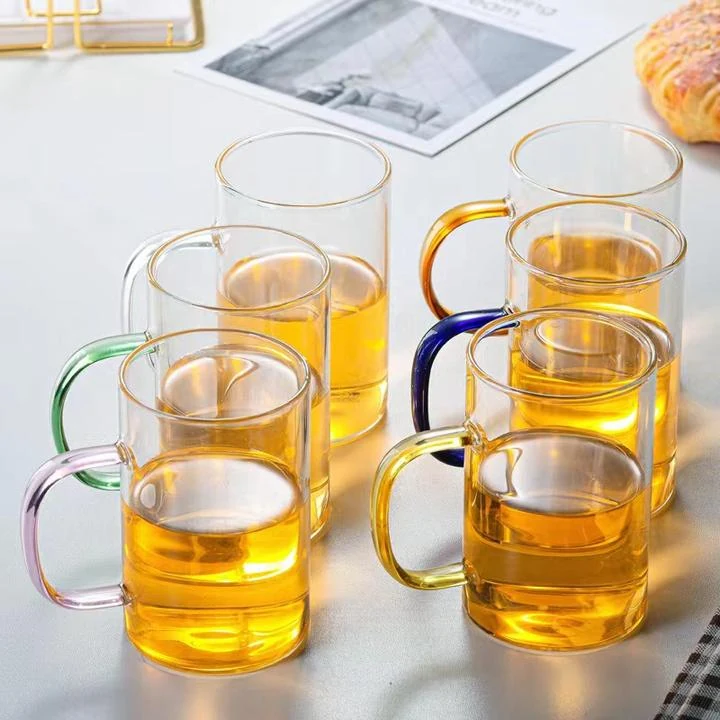
Overview: Wintop Industry Zambia Limited is considered one of the few professional glassware producers in the country. The factory is located in Lusaka’s Heavy Industrial Area and mainly produces glass bottles, jars, and packaging containers for the beverage and food industries.
Products and Services: The company focuses on glass containers for carbonated drinks, beer, and spirits. It also offers custom design and branding for local bottlers. Their production line supports recycling and cullet processing, which helps reduce waste and production costs.
Main Industries Served: Beverage bottling, dairy packaging, food canning, and small-scale cosmetic containers.
Technological Highlights: It introduced automatic forming and annealing lines imported from China, which significantly improved yield and uniformity.
Certifications and Honors: The company complies with ISO 9001 quality standards and promotes eco-friendly recycling practices.
Trade Kings Group

Overview: Trade Kings Group, founded in 1995 in Lusaka, is a diversified manufacturer of consumer goods, including beverages and packaging solutions. Its involvement in glass packaging is indirect but important because it drives demand for local bottle manufacturing and promotes backward integration within Zambia.
Products and Services: Through its beverage division, it uses glass containers for soft drinks and spirits, pushing local demand for custom bottles. The company has invested in bottle return and recycling programs, helping strengthen Zambia’s circular economy.
Main Industries Served: Beverage, confectionery, detergent, and packaging.
Technological Highlights: They deploy local recycling centers to recover used bottles, a model that could inspire local glass manufacturers.
Certifications and Honors: Multiple national manufacturing awards, recognized for industrial innovation and sustainable packaging.
Zambezi Glass and Aluminium Works
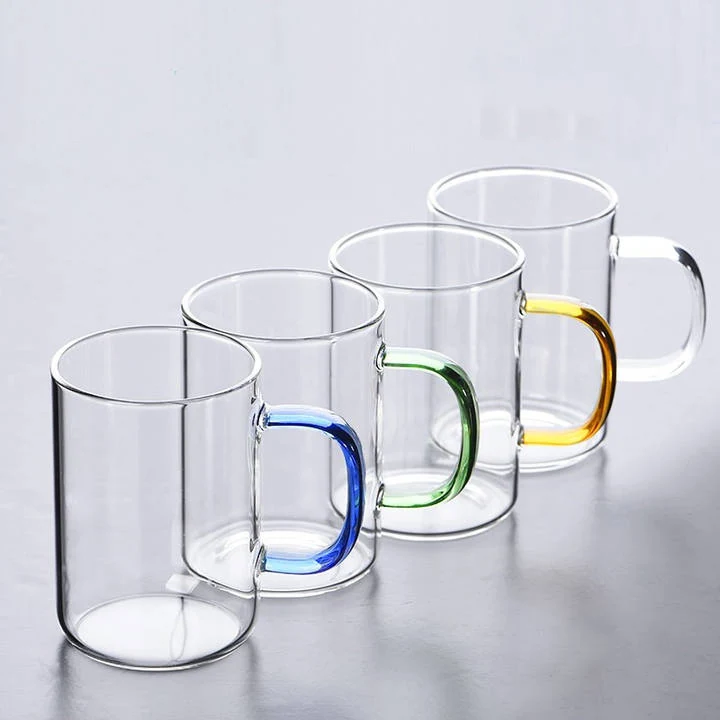
Overview: Based in Ndola, Zambezi Glass and Aluminium Works specializes in architectural and household glass products. Founded in the 2000s, it is one of the key players in processed glass for the construction and interior design market.
Products and Services: The firm produces tempered glass, laminated safety panels, and decorative mirrors. It also supplies glass for doors, partitions, and furniture.
Main Industries Served: Construction, furniture manufacturing, and interior décor.
Technological Highlights: It uses advanced cutting and tempering machinery that allows for precise customization and faster turnaround.
Certifications and Honors: Recognized by the Zambia Institute of Architects for quality in design supply.
| Company | Founded | Core Products | Industries | Certifications |
|---|---|---|---|---|
| Wintop Industry Zambia Ltd | 2018 | Glass bottles & jars | Beverage, Packaging | ISO 9001 |
| Trade Kings Group | 1995 | Consumer goods & packaging | FMCG, Beverages | National Innovation Awards |
| Zambezi Glass & Aluminium Works | 2000s | Tempered & laminated glass | Construction, Interior design | ZIA Recognition |
Part 3: Trade Shows and Industry Events
Zambia International Trade Fair (ZITF)
The Zambia International Trade Fair in Ndola is the country’s largest industrial exhibition, bringing together local manufacturers, importers, and international suppliers. It regularly features glassware, packaging, and construction materials among its key categories.

Held annually in June or July, ZITF provides a platform for networking between regional distributors and Zambian producers. The 2024 edition attracted over 500 exhibitors from 20 countries, signaling growing interest in diversified manufacturing. Key highlights include industrial showcases and sustainability-focused product demonstrations.
Build Zambia Expo
The Build Zambia Expo in Lusaka highlights materials and construction technologies, with strong representation from glass and aluminium fabricators.

The event usually runs in October, drawing both domestic builders and regional developers. Visitors explore innovations in fa?ade systems, solar glass, and eco-construction methods. It has become a valuable stage for companies like Zambezi Glass to display their workmanship.
| Event | Date | Location | Highlights |
|---|---|---|---|
| Zambia International Trade Fair | June-July | Ndola | Industrial exhibits, packaging and glassware focus |
| Build Zambia Expo | October | Lusaka | Construction materials, fa?ade & glass innovations |
Part 4: Impact of Global Trade Policies
The Zambian glassware sector doesn’t operate in isolation. It’s influenced by regional trade agreements such as SADC and COMESA, which simplify cross-border supply chains. This helps manufacturers export products more freely to neighboring markets.

However, the global glass trade is sensitive to energy costs, import tariffs, and raw material shortages. Sanctions or shifts in fuel prices directly affect production margins. Local producers face high import duties on specialized machinery, making modernization expensive. Still, trade liberalization and infrastructure funding offer opportunities for growth.
Domestic policies now emphasize import substitution-encouraging Zambian industries to make locally what used to be imported. This aligns with sustainability goals and could transform Zambia into a regional supplier of recycled glass products. The challenge remains ensuring quality standards meet international levels to compete globally.
Part 5: Conclusion
The glassware industry in Zambia may be small today, but its growth potential is undeniable. Urbanization, construction projects, and local beverage manufacturing are stimulating fresh demand for both packaging and building glass. With strategic investment and supportive trade frameworks, Zambia can strengthen its industrial capacity and cut dependency on imports.
Challenges persist-high energy costs, machinery imports, and skills shortages limit expansion. Yet, these hurdles also bring innovation opportunities: training programs, partnerships with regional suppliers, and green manufacturing initiatives. Over time, Zambia’s glassware producers could become a reliable force within Africa’s manufacturing map.
Recommended Reading:
- Glassware Manufacturers in Yemen
- Glassware Manufacturers in Venezuela
- Glassware Manufacturers in Vatican City
- Glassware Manufacturers in Tunisia
- Glassware Manufacturers in Uganda
- Glassware Manufacturers in Turkmenistan
- Glassware Manufacturers in Uzbekistan
- Glassware Manufacturers in Trinidad and Tobago
Mini Spray Perfume Bottle 2ml 3ml 5ml 8ml 10ml
Glass Essential Oil Bottles With Dropper 15 ml 30 ml
240ml Glass Spice Jar with Stainless Steel Cover
Arab luxury attar bottle concentrated small bottle 10ml