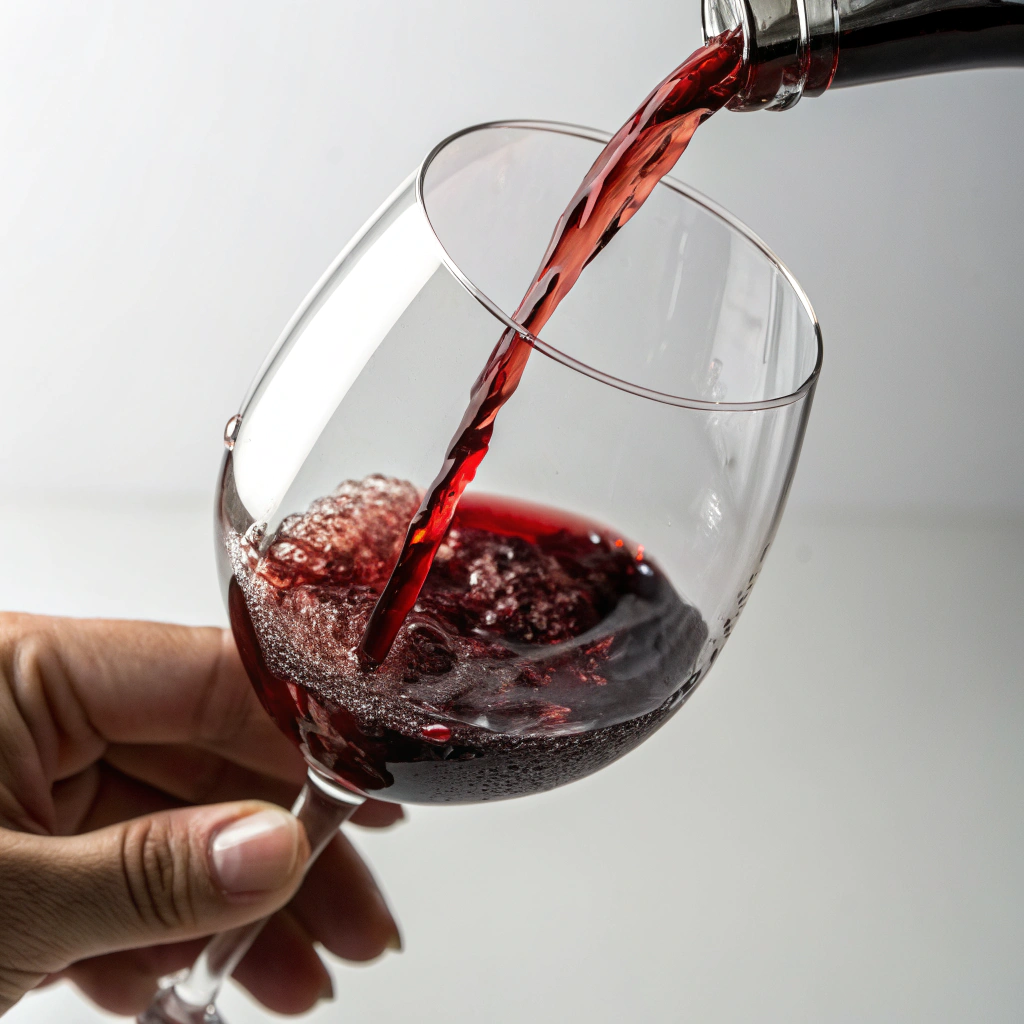
When you’re pouring wine into a glass, it's easy to lose track of how much you're actually drinking. Different servings and glass sizes can make it confusing.
A standard glass of wine typically contains 150 milliliters, but this can vary depending on the context, country, and the type of wine.
Wine glass sizes aren't universal. Knowing the milliliters can help you monitor intake, stay within recommended limits, and better understand wine servings whether you're drinking at home or serving customers.
How many ml is a glass of wine?
Many people assume a wine glass holds one serving, but wine glasses vary widely in size and shape. That’s why measuring in milliliters makes more sense.
A standard serving of wine is 150 ml, which is about 5 ounces. This is the common measure used in restaurants and by health guidelines.

Understanding Standard Wine Serving Sizes
Here is a comparison of standard wine servings across different settings:
| Setting | Standard Serving (ml) | Notes |
|---|---|---|
| Restaurant | 150 ml | Most common portion in fine dining |
| Home Pour | 180–250 ml | Often more generous |
| Wine Tasting | 60–90 ml | Small pour to taste multiple wines |
| Large Glass | 250 ml | Found in pubs or casual restaurants |
While 150 ml is the standard, it's not unusual to see a 175 ml or 250 ml pour, especially in casual settings. It’s important to distinguish between the volume the glass can hold and what’s actually considered a single serving. Wine glasses can hold 300 ml to over 600 ml, but they’re not usually filled to the top.
Why Standardization Matters
Knowing that 150 ml equals a standard glass helps with:
- Tracking alcohol intake.
- Following health guidelines.
- Serving customers consistent portions.
In many countries, alcohol consumption guidelines are based on standard units, and one 150 ml glass of 12% ABV wine equals about 1.5 units of alcohol. This kind of awareness matters for both personal consumption and professional service.
Is 250 ml a glass of wine?
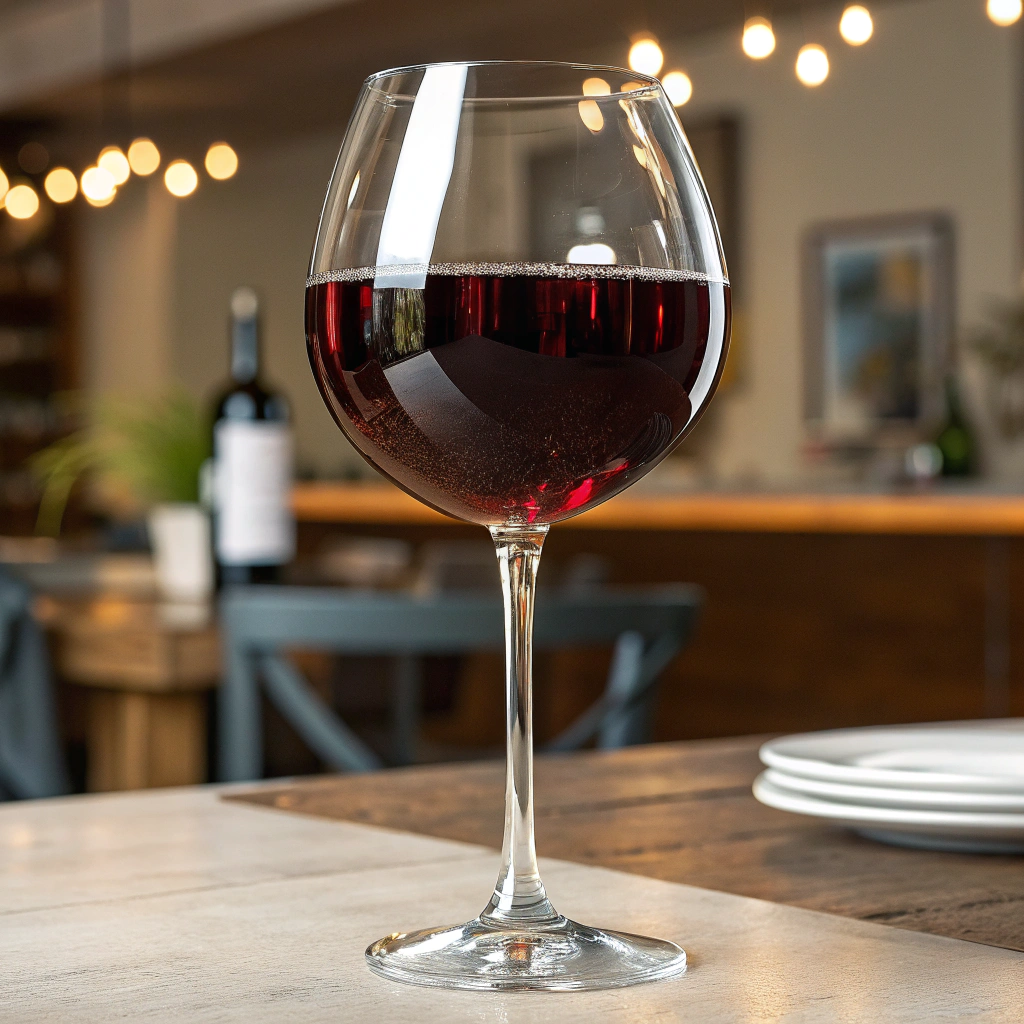
If you’ve been served a large glass of wine, it might’ve been more than you thought. A 250 ml pour can change the way we think about "a glass."
Yes, 250 ml can be considered a glass of wine, but it is a large glass — almost double the standard serving.
Why 250 ml Is Not a Standard Serving
In some pubs and restaurants, especially in the UK, 250 ml is often labeled as a "large" glass. This means:
- It's over 1.5 times the size of a standard 150 ml glass.
- It contains approximately 3 units of alcohol if the wine is 12% ABV.
- Two such glasses can quickly exceed daily drinking guidelines.
| Glass Size | Volume (ml) | Alcohol Units (at 12% ABV) |
|---|---|---|
| Small | 125 ml | 1.5 units |
| Medium | 175 ml | 2.1 units |
| Large | 250 ml | 3 units |
Perception vs Reality
Many drinkers underestimate the strength of a 250 ml glass. The shape of the glass also affects perception. A tall, thin glass might make 250 ml seem small, while a wide bowl can make the same amount feel like more.
Restaurants are legally required in some countries to list the volume on their menus, which helps avoid confusion. But at home, it's easy to pour without measuring, leading to unintentional overconsumption.
Is 500 ml of wine a day too much?
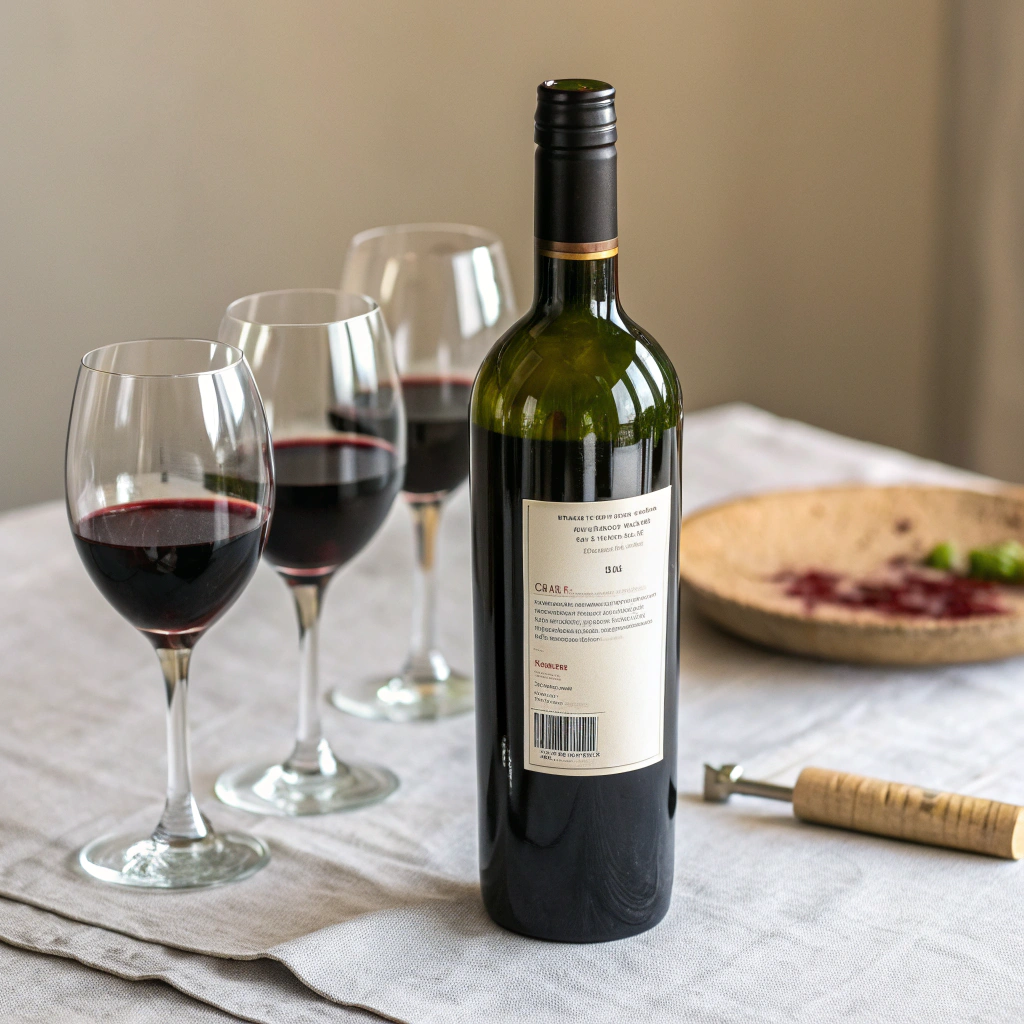
Half a bottle of wine might feel like a relaxing evening habit, but when broken down, it can reveal more than you expect.
Yes, drinking 500 ml of wine daily exceeds most health guidelines and can be considered excessive if consumed regularly.
Daily Drinking and Health Recommendations
Let’s break it down:
- 500 ml = about 3.3 standard glasses (150 ml each)
- If the wine is 12% ABV, that’s roughly 6 units of alcohol
- UK guidelines suggest not regularly exceeding 14 units per week
So, drinking 500 ml daily adds up to 42 units per week — three times the recommended amount.
What the Experts Say
Health organizations in many countries agree that moderate drinking should be:
- No more than 1 standard drink per day for women
- No more than 2 for men
- With some alcohol-free days per week
Drinking 500 ml daily may lead to:
- Increased tolerance, making moderation harder
- Liver strain and long-term health risks
- Sleep disruption and dehydration
Long-Term Impact of Regular 500ml Intake
Drinking half a bottle daily could seem harmless, especially if spread over several hours. However, studies show it may:
- Raise blood pressure
- Increase the risk of certain cancers
- Affect mental clarity and memory over time
Anyone drinking this amount should consider whether it has become a routine. Reducing frequency or switching to smaller servings can help cut back without quitting entirely.
Is 150ml a glass of wine?
This question hits the heart of standardization and responsible drinking. Many wine drinkers use this figure as their mental reference point.
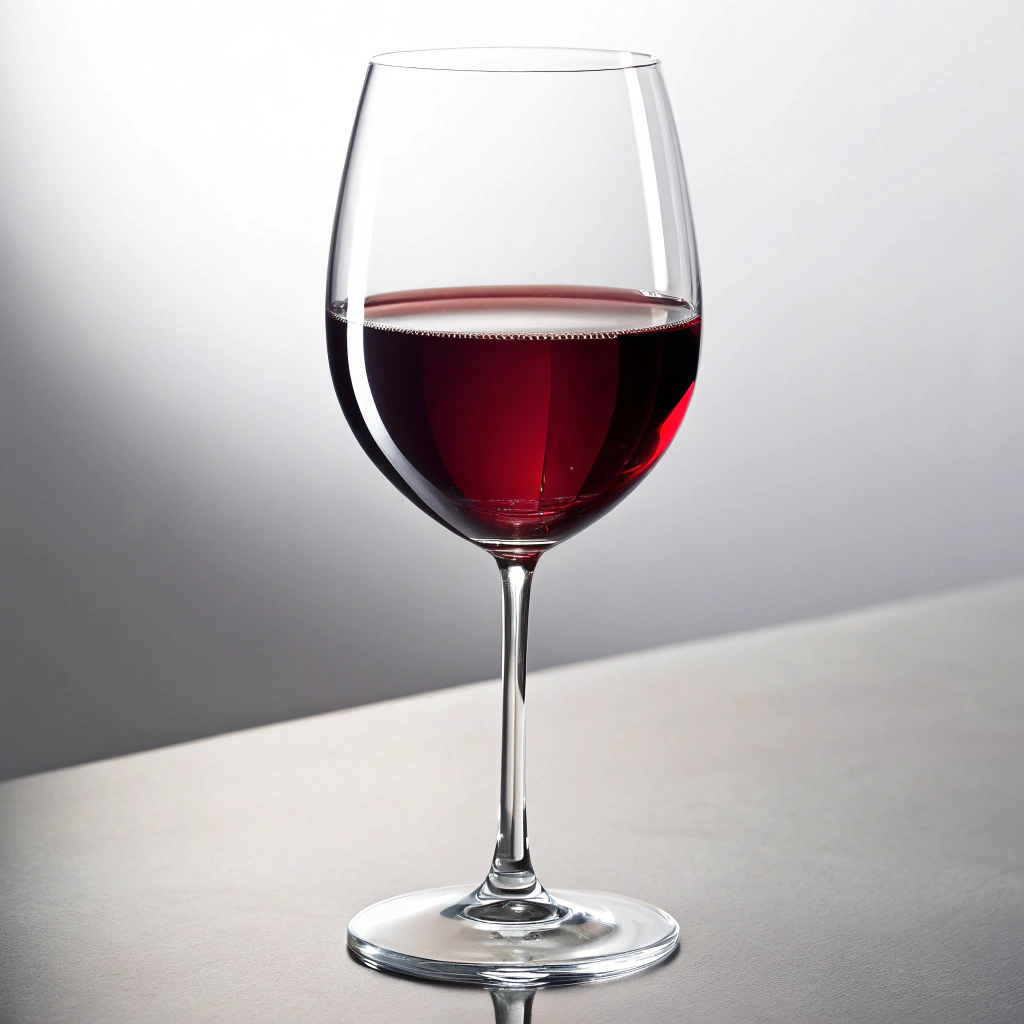
Yes, 150 ml is the standard serving size for a glass of wine in most countries and health guidelines.
The Benefits of the 150ml Standard
Using 150 ml as a reference has several advantages:
- Helps count alcohol units
- Easier to follow dietary or health advice
- Universally accepted in restaurants and nutritional charts
Here’s how 150 ml compares:
| Volume (ml) | Ounces | Approximate ABV Units (12%) |
|---|---|---|
| 150 ml | 5 oz | 1.5 units |
| 175 ml | 6 oz | 2.1 units |
| 250 ml | 8.4 oz | 3 units |
Cultural Differences in Serving Sizes
While 150 ml is standard in many places, here’s how it varies:
- In the US, one serving is also considered 5 oz (about 147 ml)
- In France or Italy, pours may be slightly larger depending on the context
- In pubs across the UK, small (125 ml), medium (175 ml), and large (250 ml) are typical options
Despite these variations, using 150 ml as a personal benchmark offers a reliable way to manage consumption. Especially when tracking calories, budgeting for alcohol, or staying within health limits, this baseline is both useful and realistic.
Conclusion
Wine glass sizes can be misleading. Understanding that 150 ml equals a standard glass helps you drink smarter, whether you're enjoying wine at home or serving customers in a professional setting.