Skip to content

You might ask for a cup of tea and get handed a mug—or maybe even a glass. So what exactly is a “cup”?
A cup can be either a mug or a glass, depending on how it's used. But traditionally, it refers to a small container with a handle used for hot drinks.
Let’s break down what people really mean when they say “cup,” and how to use these terms properly—especially when sourcing products or labeling items for sale.
Is a cup a glass or a mug?
This can get confusing fast—especially in different countries or settings.
A cup is more like a mug than a glass. It usually means a handled container for hot drinks, not a transparent glass for cold drinks.
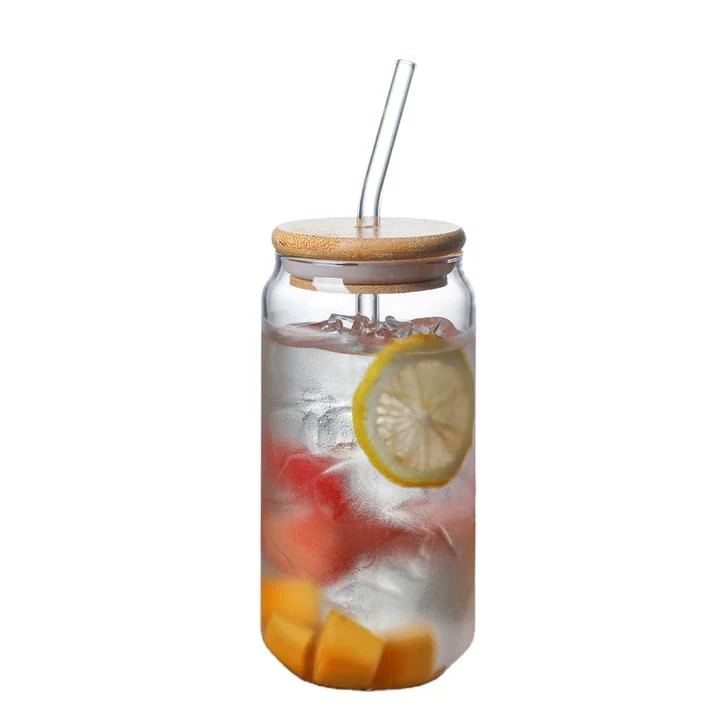
When someone says “cup,” they usually picture something ceramic with a handle, used for drinking tea or coffee. A glass, on the other hand, is usually used for water, juice, or wine—and doesn’t have a handle.
Visual Differences Between Cups, Mugs, and Glasses
Here’s a quick comparison table:
| Item | Handle | Common Material | Typical Use |
|---|---|---|---|
| Cup | Yes | Ceramic or porcelain | Tea or small coffees |
| Mug | Yes | Ceramic or glass | Coffee, hot chocolate |
| Glass | No | Glass | Water, juice, wine |
This distinction matters when designing packaging, listing products online, or communicating with buyers. In some languages or cultures, the word “cup” is used for many things. That’s why clear images and descriptions are so important.
Is a mug considered a cup?
If a mug has a handle and holds drinks, isn’t it just a big cup?
Yes, a mug is considered a type of cup, but not all cups are mugs. Mugs are bigger, thicker, and usually used for coffee.

The term “cup” is broader. A mug fits into the category of cups but has its own identity. Think of it like this: all mugs are cups, but not all cups are mugs—just like all roses are flowers, but not all flowers are roses.
Functional Differences in Usage
When sourcing drinkware for clients, I always ask two things:
- What drink will go inside?
- What kind of experience should the customer have?
If they want something for espresso, they’re thinking of a small cup. If it’s a cozy drink like hot chocolate, a mug fits better.
In many export markets, like the UK or Southeast Asia, customers will ask for a “coffee cup” and expect something smaller than a “coffee mug.” Understanding the nuance avoids mistakes during production and design.
Can I call a mug a cup?
In casual talk, the words are used interchangeably. But is that correct?
Yes, you can call a mug a cup in everyday speech, but in professional or retail settings, it’s better to use the correct term.
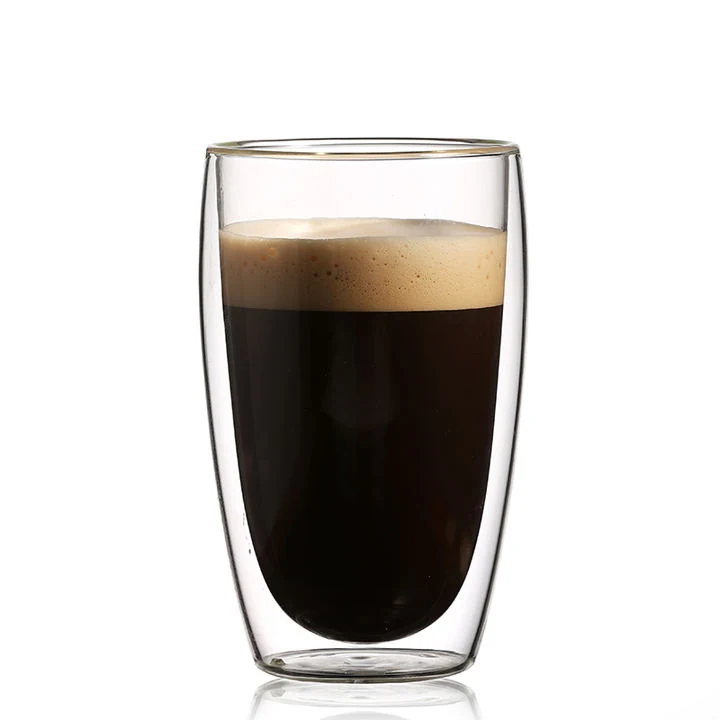
At home, you might say “pass me a cup of coffee” and pick up a mug. No problem there. But if you're sourcing 10,000 units for a café chain, the difference between a cup and a mug really matters.
Examples of Miscommunication
I’ve seen cases where a UK customer asked for “branded ceramic coffee cups.” We sent samples of standard 200 ml cups. But they were expecting 350 ml mugs for cappuccino. The result? Delays, redesigns, and extra shipping costs.
This is why clear specifications are vital:
| Term Used | What They Might Mean | What You Should Confirm |
|---|---|---|
| Coffee Cup | Small, ~200 ml, no lid | Ask: volume? handle? stackable? |
| Coffee Mug | Large, ~350 ml, thick wall | Ask: ceramic or glass? logo size? |
| Travel Cup | Usually plastic/metal with lid | Ask: leak-proof? single/double wall? |
For small business owners like Emily in the UK, clarity in product naming saves time and money.
Is a tea cup a mug?
They both hold tea, so is there any real difference?
No, a tea cup is not a mug. A tea cup is smaller, thinner, and more delicate. A mug is thicker, larger, and holds more liquid.
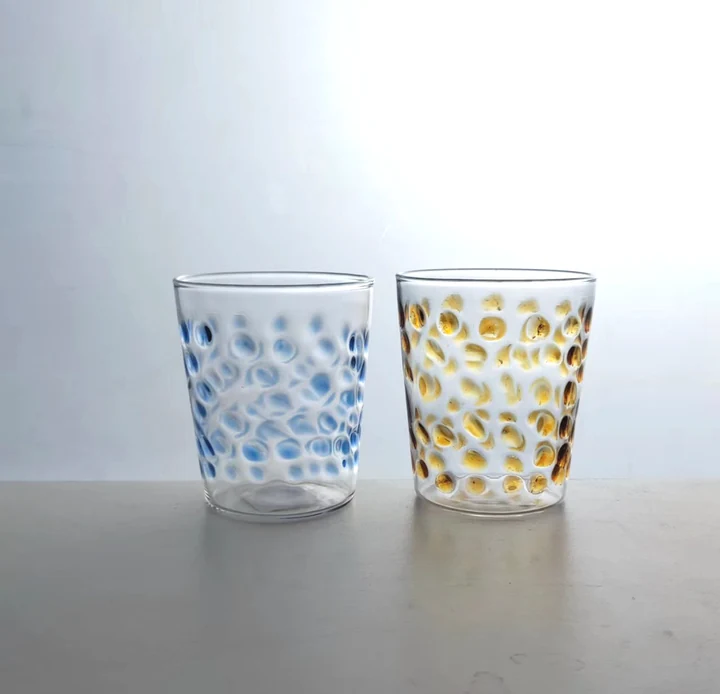
Tea cups are traditionally used in formal settings, with saucers, and hold about 150–200 ml. Mugs can hold up to 350–400 ml or more. They’re made for comfort and warmth, not elegance.
The Cultural and Practical Differences
Tea cups:
- Usually used in tea ceremonies or formal events
- Made of porcelain or fine ceramic
- Paired with a saucer
- Thin rims for a delicate feel
Mugs:
- Used at home or in offices
- Made of thicker ceramic or even glass
- Often used for coffee, tea, or hot chocolate
- No saucer needed
Here’s a table to help visualize:
| Feature | Tea Cup | Mug |
|---|---|---|
| Size | 150–200 ml | 300–400 ml |
| Material | Fine ceramic or porcelain | Thick ceramic or glass |
| Use | Formal tea time | Casual coffee or tea |
| Design | Elegant, with saucer | Sturdy, practical |
If you’re designing or sourcing for different market segments, knowing these subtle distinctions helps you deliver exactly what your customers expect.
Conclusion
A “cup” is a general term that can mean a mug or a glass—but in practice, it usually refers to a handled container for hot drinks. Clarity in naming helps avoid confusion in sourcing and sales.