Skip to content
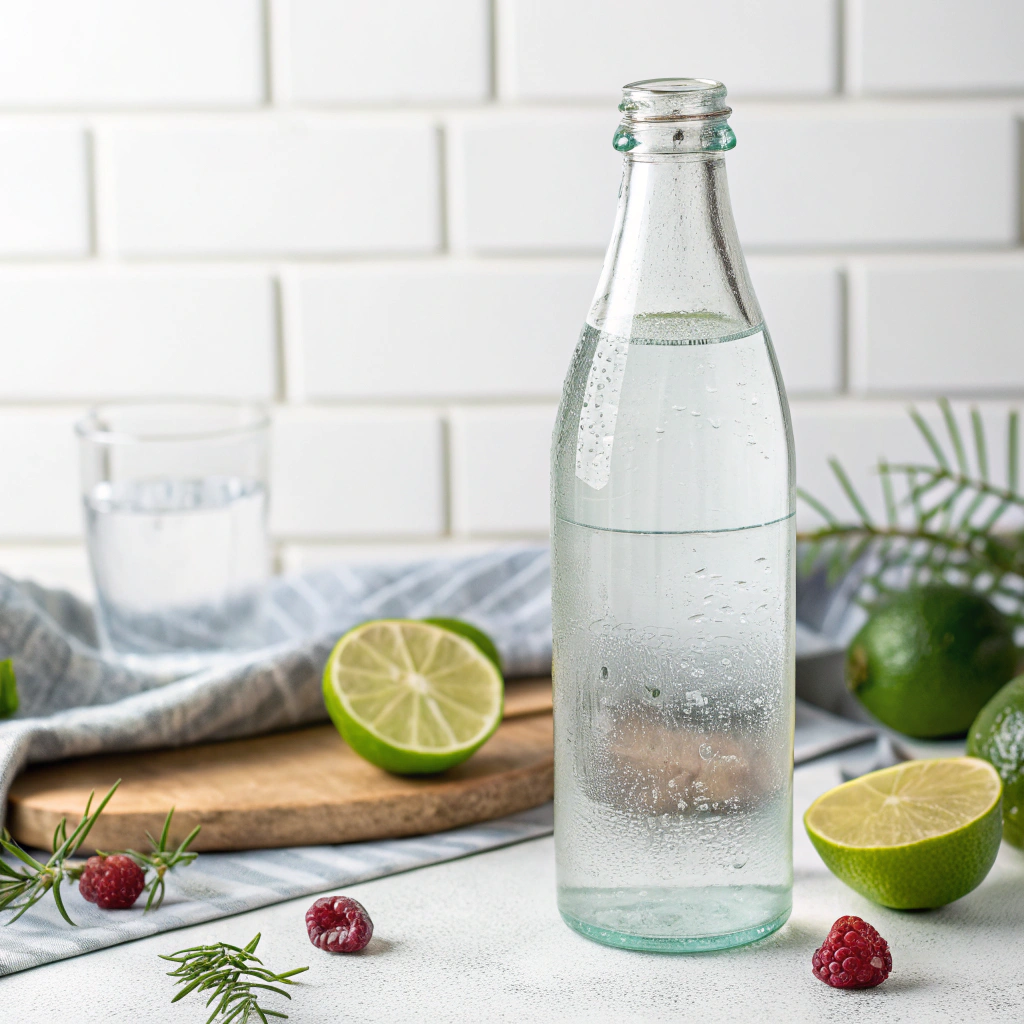
Many people switch to reusable bottles to reduce plastic use, but few know which material is truly safest. You might be drinking from something that's affecting your health without even knowing.
Yes, glass is widely considered the healthiest material for water bottles because it does not leach chemicals, retains purity, and is non-reactive.
But is that all you need to know? Let’s dig deeper into why glass is often seen as the healthiest option—and what other factors matter when choosing your daily water bottle.
Are glass water bottles healthier?
Some bottles make your water taste weird. Others leave you wondering what chemicals you’re really drinking. This is where glass water bottles stand out.
Yes, glass water bottles are healthier than plastic or metal because they don’t leach toxins, keep water tasting clean, and are easy to sanitize.
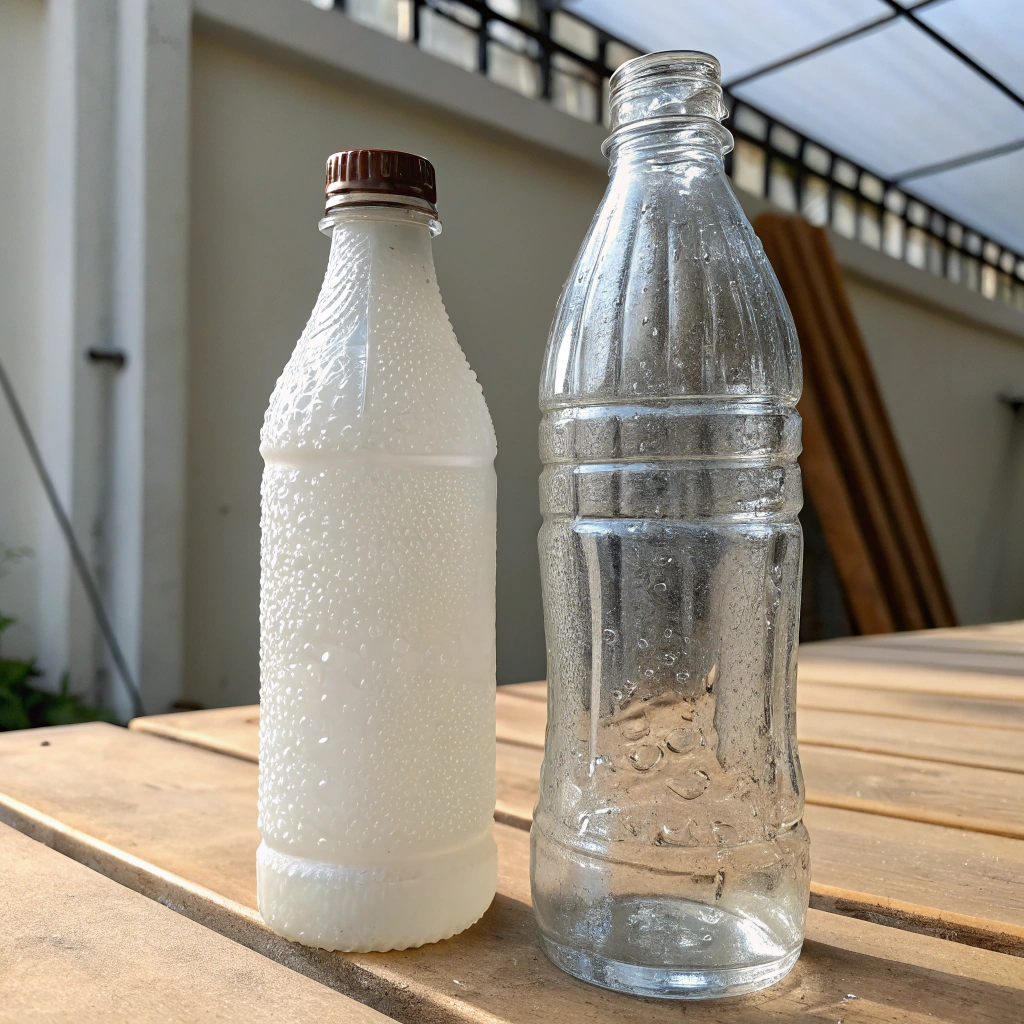
Why glass is better
When I started switching to glass bottles in my production lines, it wasn’t just about sustainability—it was also about health. Customers began asking about BPA, microplastics, and chemical leaching. That’s when I realized glass isn’t just “pretty.” It’s safe.
Unlike plastic bottles, glass does not release harmful substances like BPA or phthalates. And unlike metal bottles, especially aluminum, it doesn’t require a liner, which itself can be a source of concern.
Here’s a quick comparison:
| Feature | Glass Bottle | Plastic Bottle | Metal Bottle |
|---|---|---|---|
| Chemical Leaching | No | Yes (if not BPA-free) | Sometimes (lining) |
| Taste Retention | Excellent | Poor | Can be metallic |
| Reusability | High | Medium | High |
| Dishwasher Safe | Yes | Often No | Sometimes |
| Transparency | Yes | Yes | No |
You can also boil glass bottles (if they’re heat-resistant) to fully sterilize them. That’s very hard to do safely with plastic. And with a simple rinse, glass doesn’t retain smells or stains.
So, if health is your top priority, glass leads the pack.
What is the healthiest material for a water bottle?
There are so many options: stainless steel, BPA-free plastic, aluminum, silicone, and of course, glass. But which one truly protects your health?
Glass is the healthiest material because it’s non-toxic, inert, and doesn’t interact with the contents inside.
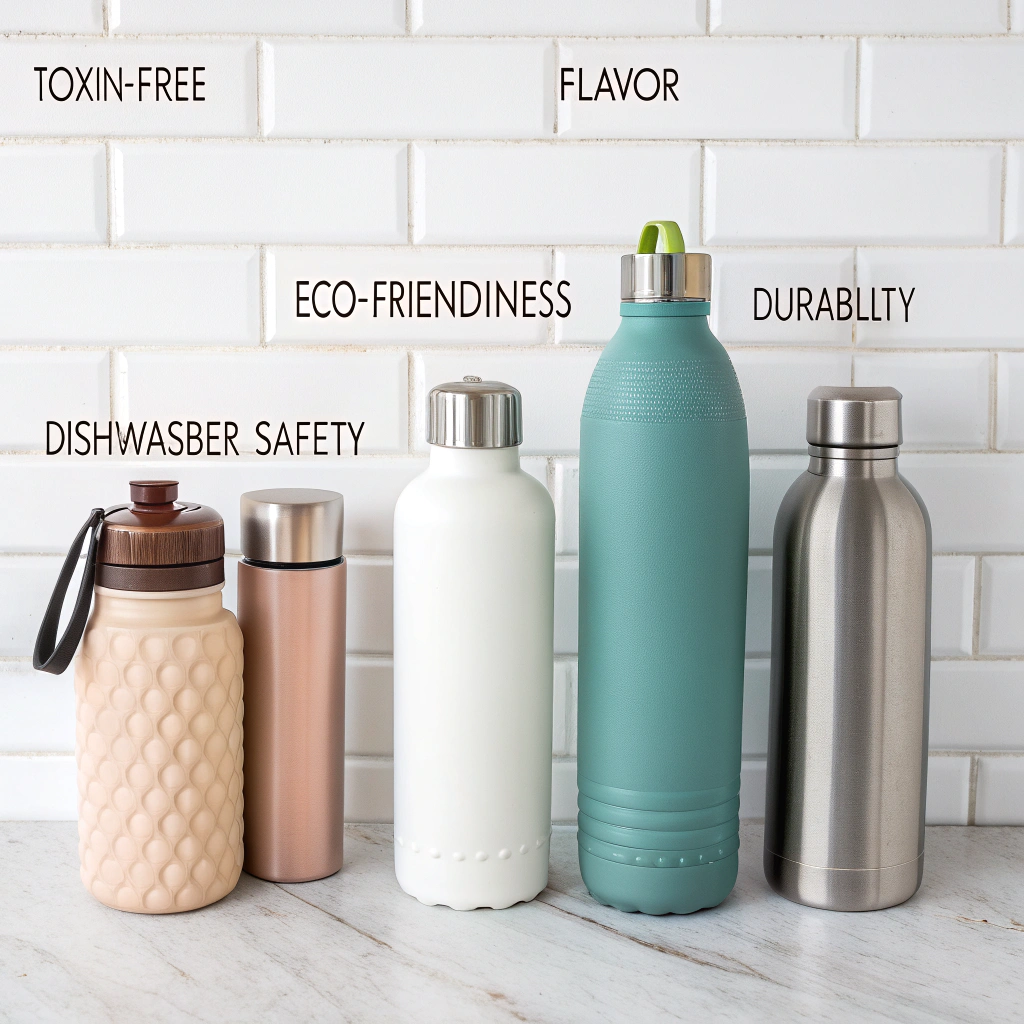
A closer look at materials
Here’s a breakdown of the most popular water bottle materials and how they compare:
| Material | Toxin-Free | Retains Flavor | Eco-Friendly | Durability | Dishwasher Safe |
|---|---|---|---|---|---|
| Glass | ✅ | ✅ | ✅ | ❌ | ✅ |
| Stainless Steel | ✅ | ⚠️ Sometimes | ✅ | ✅ | ⚠️ Depends |
| BPA-Free Plastic | ⚠️ Mostly | ❌ | ⚠️ Partially | ✅ | ❌ |
| Aluminum | ⚠️ Needs lining | ❌ | ⚠️ | ✅ | ❌ |
Even BPA-free plastics may still contain other chemicals like BPS, which have similar effects. Stainless steel is a good option, but acidic liquids like lemon water can react with the metal.
In comparison, glass remains chemically stable, no matter what you put in it—cold water, hot tea, or lemon-infused drinks. That’s why many high-end beverage and skincare brands (including some of my clients) insist on glass containers. It’s not just a luxury—it’s about trust.
What is the healthiest water bottle brand?
Buying the right bottle brand means trusting their quality and material sourcing. Some brands are better known for their health-conscious design and materials.
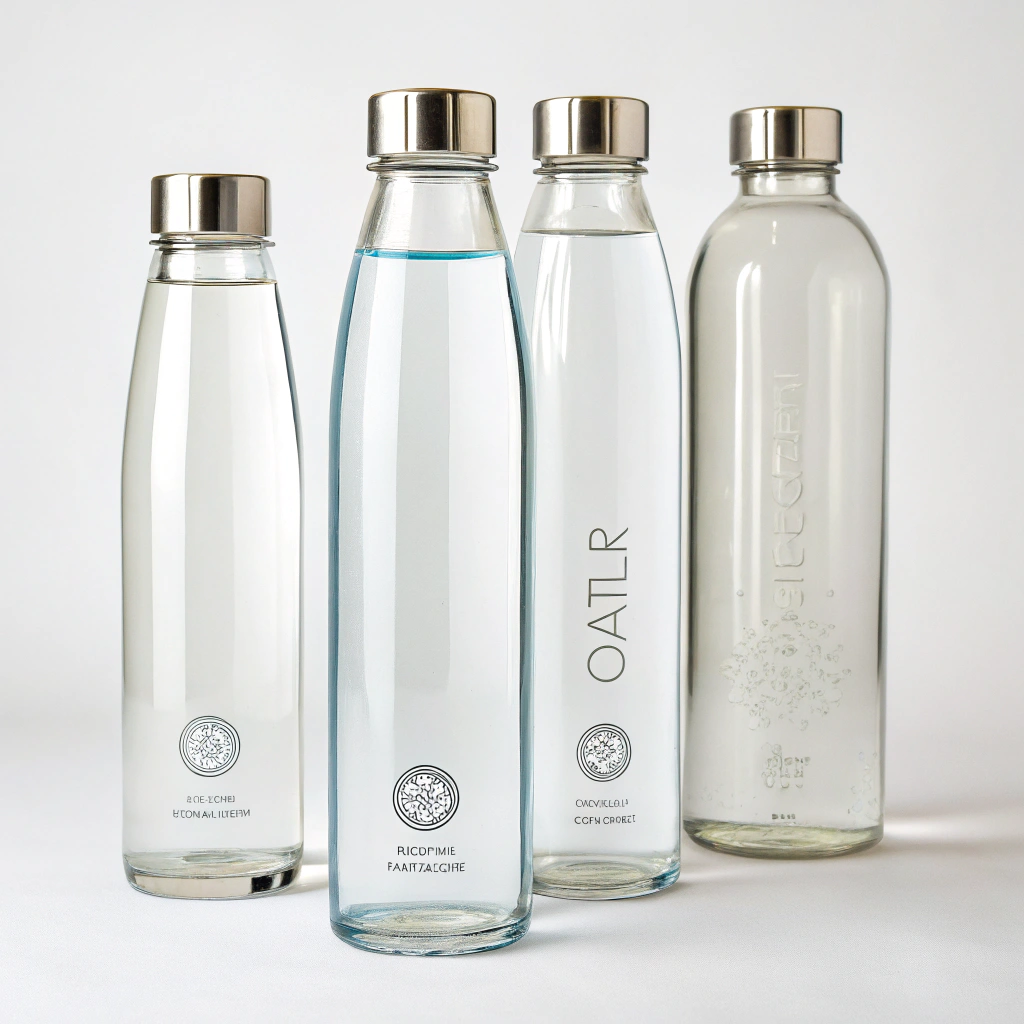
Brands like LifeFactory, Soma, and Purifyou offer some of the healthiest glass water bottles available today.
Brands that focus on health
Here are a few brands known for producing high-quality glass water bottles:
| Brand | Bottle Type | Known For | Price Range |
|---|---|---|---|
| LifeFactory | Glass | Medical-grade silicone sleeve, made in USA | $$ |
| Soma | Glass | Sleek design, eco-focused materials | $$ |
| Purifyou | Glass | Family-safe design, BPA/BPS-free | $ |
| Ello | Glass | Budget-friendly, stylish options | $ |
What sets these apart isn’t just their use of glass—it’s also how they treat safety in their design, like adding non-toxic silicone sleeves to reduce breakage and risk.
In my experience, brands that use thick borosilicate glass (like lab-grade glass) are the safest and most durable. These are heat-resistant, dishwasher-safe, and less likely to shatter under stress.
For someone like Emily, who sources bottles for boutique perfume brands, these same values—non-toxicity, beauty, and durability—apply directly. Choosing a healthy water bottle brand shows your customers that you care, down to the smallest detail.
What is the disadvantage of a glass water bottle?
Even if glass bottles are the healthiest, they’re not perfect. There are trade-offs you should understand before making the switch.
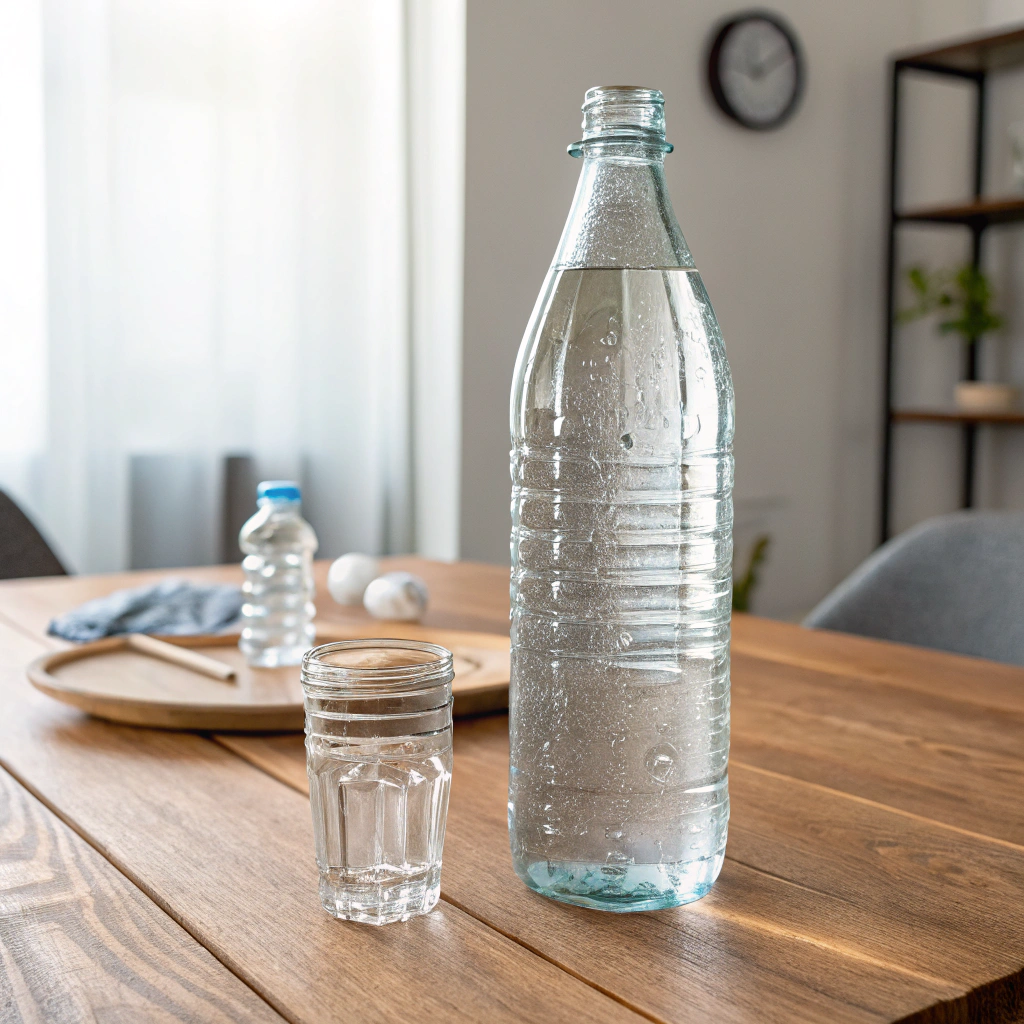
The main disadvantage of glass water bottles is fragility—they can break if dropped, and are heavier to carry compared to plastic or metal.
Let’s be honest—glass breaks
I’ve broken my fair share of glass bottles during production testing. And even the most careful users have dropped one on a hard floor. That’s just part of the deal with glass.
Here’s a quick look at some common drawbacks:
- Fragility: Even borosilicate glass, while stronger than regular glass, can still crack or shatter.
- Weight: A full glass bottle is noticeably heavier than its plastic equivalent.
- Cost: Glass bottles are usually more expensive upfront.
- Bulkiness: To prevent breakage, glass bottles are often thicker, taking up more space.
That said, many brands include silicone sleeves or protective covers. These help a lot. If you’re always on the move or have small kids, you might want to combine glass use with another type when safety is a top concern.
But in most professional or office settings, the benefits far outweigh the risks. I’ve seen clients in the beauty and beverage sectors switch entirely to glass for the health and branding advantages.
Conclusion
Glass bottles are the healthiest option because they are non-toxic, don’t alter taste, and are easy to clean. The only real drawback is their fragility. Choose wisely.