Skip to content
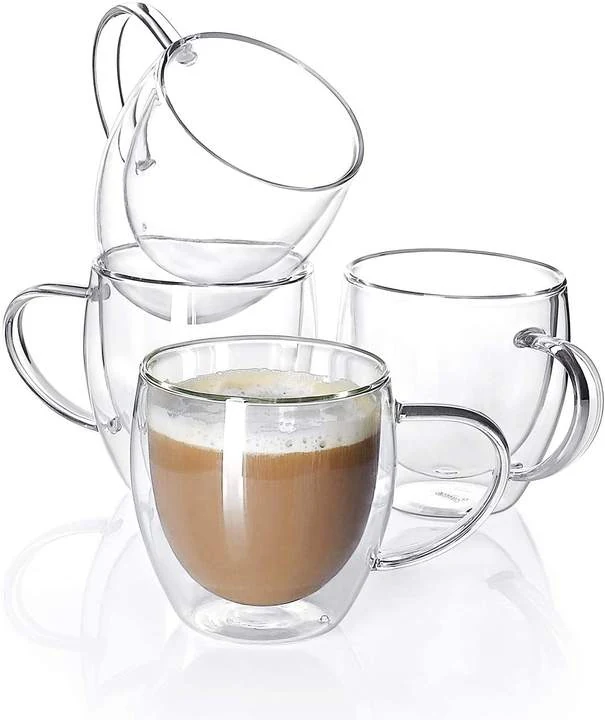
Sometimes we say things that sound right, but are they really the best words to use? “Glass cup” is one of those phrases that might make you stop and think.
Yes, it is correct to say “glass cup,” but in everyday English, people usually just say “glass” when referring to a cup made of glass.
If you’ve ever tried to explain what you’re drinking from and felt unsure which word to use—cup, glass, mug—you’re not alone. This article will break it down clearly for you.
Can you call a glass a cup?
Sometimes it’s easy to mix up words, especially when they all refer to something you drink from.
Yes, you can call a glass a cup in a general sense, but the two usually refer to different types of drinking containers.
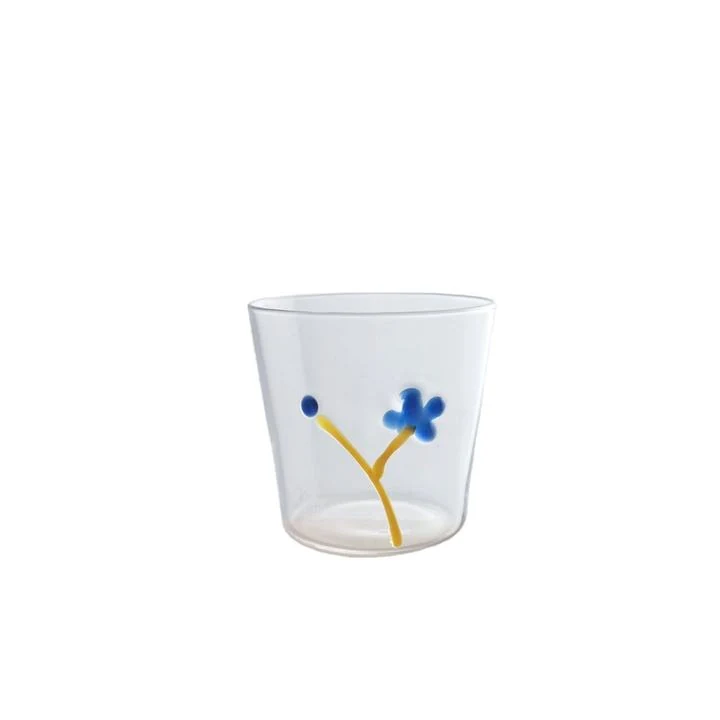
When we say "cup," we often imagine something with a handle, usually for hot drinks like tea or coffee. "Glass," on the other hand, usually means a container made of glass and used for cold drinks like water or juice.
Differences Between a Glass and a Cup
| Feature | Glass | Cup |
|---|---|---|
| Material | Typically glass | Usually ceramic or porcelain |
| Handle | No | Yes |
| Common usage | Cold drinks | Hot drinks |
| Shape | Tall and cylindrical | Short and round |
In certain situations, like casual conversation or if you're simply describing a container, saying "glass cup" isn't wrong. But it’s more common to just say “glass” for clarity and simplicity.
What is another name for a glass cup?
When you're describing a drinking container, it's important to use words that make your meaning clear.
Another name for a glass cup is simply a "glass." You can also call it a “drinking glass” or “beverage glass.”
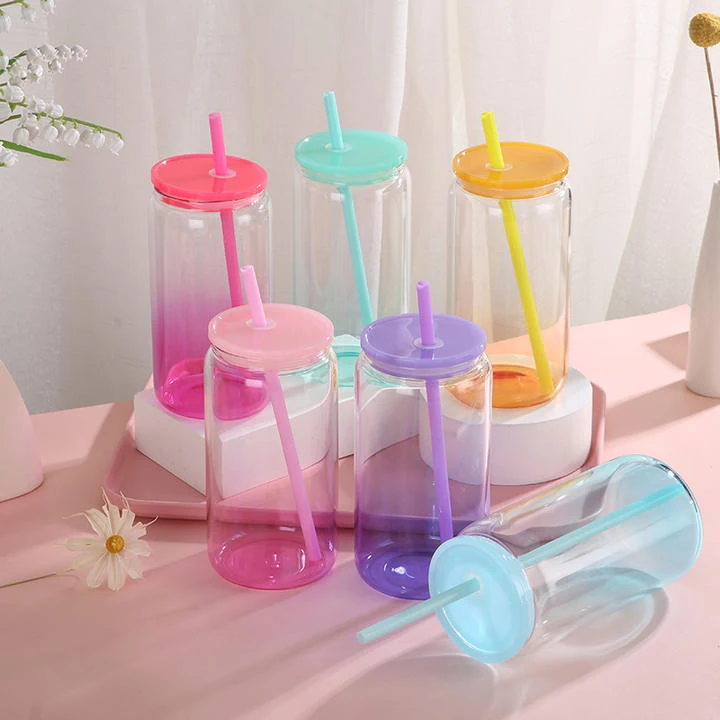
In restaurants or on packaging, you might see terms like:
Common Alternatives to "Glass Cup"
| Term | Description |
|---|---|
| Drinking glass | A general term for a glass used for beverages |
| Water glass | Typically a taller glass used for water |
| Juice glass | A small glass, often used at breakfast |
| Tumbler | A short, flat-bottomed glass with no stem |
| Highball glass | A tall, slim glass often used for cocktails |
| Glass mug | A mug made of glass, usually with a handle |
Choosing the right term depends on what you’re drinking and how formal or specific you want to be. If you're offering a drink, saying “Would you like a glass of water?” is far more natural than “Would you like a glass cup of water?”
Is a cup a glass or a mug?
When you’re sorting your kitchenware, you might wonder how to tell cups, glasses, and mugs apart.
A cup is its own category. It is not a glass or a mug, though all are types of drinkware.
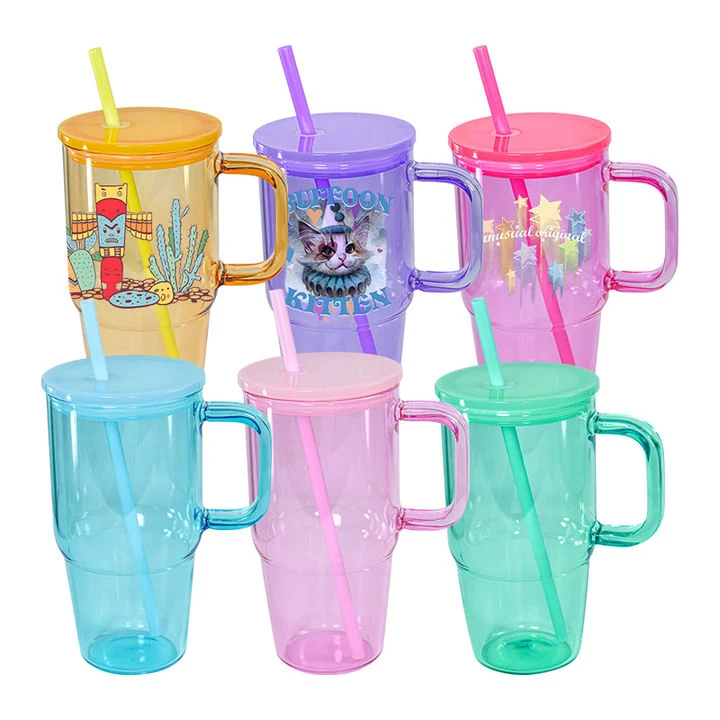
Let’s look at how these three differ clearly:
Cup, Mug, and Glass Compared
| Type | Common Material | Has Handle? | Used For |
|---|---|---|---|
| Cup | Ceramic, porcelain | Yes | Hot drinks like tea |
| Mug | Ceramic, glass, metal | Yes | Coffee, hot chocolate |
| Glass | Glass | No | Cold drinks like juice |
In casual speech, people might mix them up, especially if a cup is made of glass. But in product descriptions or formal use, each word has a specific meaning. That’s especially important if you’re sourcing drinkware for a brand or store.
For example, if you’re looking for a “mug” on Alibaba and type “glass cup,” you might not get the right results. Precision in naming helps avoid confusion.
What is the plural form of glass cup?
Grammar matters when you're ordering products or writing descriptions for your shop.
The correct plural form of “glass cup” is “glass cups.”
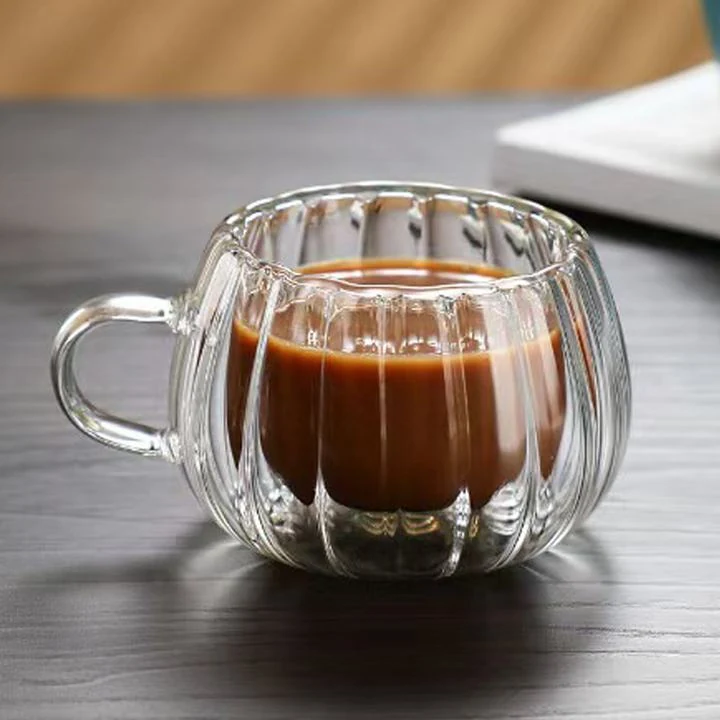
You might wonder if “glass” is one of those tricky uncountable nouns. It can be. But in this case, it’s used as an adjective describing the type of cup.
Plural Forms Explained
| Singular | Plural | Notes |
|---|---|---|
| glass cup | glass cups | Correct form for multiple glass cups |
| glass | glasses | When referring to eyeglasses or drinkware |
| mug | mugs | Standard plural form |
| cup | cups | Standard plural form |
Be careful not to say “glasses cup” or “glass cupes.” Stick with “glass cups” when referring to more than one.
Conclusion
“Glass cup” is correct but not commonly used. In most cases, it's better to say “glass,” “cup,” or “mug,” depending on what you mean. Clear naming avoids confusion, especially in product sourcing and communication.