Skip to content
Part 1: Market Size and Growth
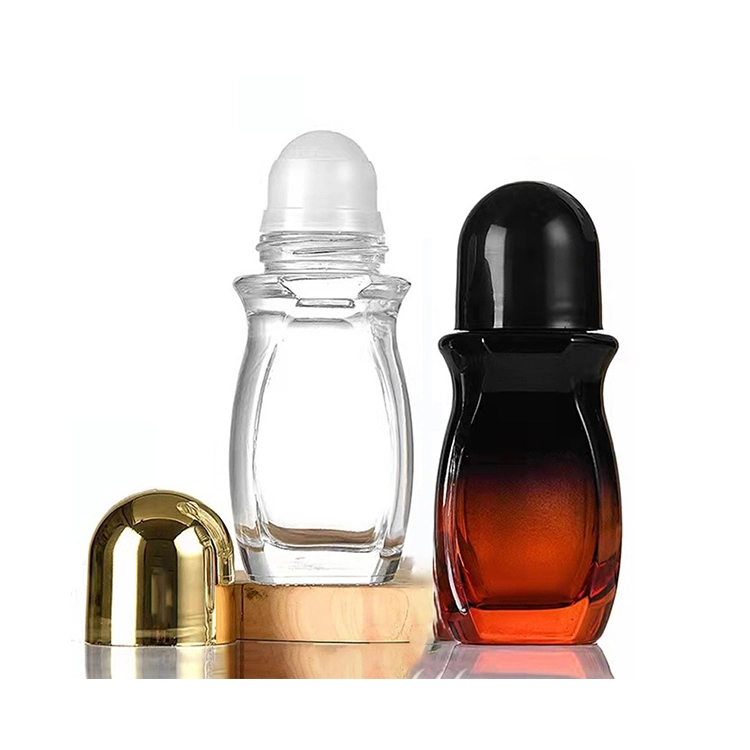
The perfume bottle industry in Argentina grows with steady steps as more beauty brands and artisan fragrance studios appear in major cities. I see the market shift in simple ways because local buyers want stable supply, flexible orders, and clean design. The rise of boutique fragrance labels also creates more demand for custom bottles, soft curves, and clear surfaces, which helps the industry stay active.
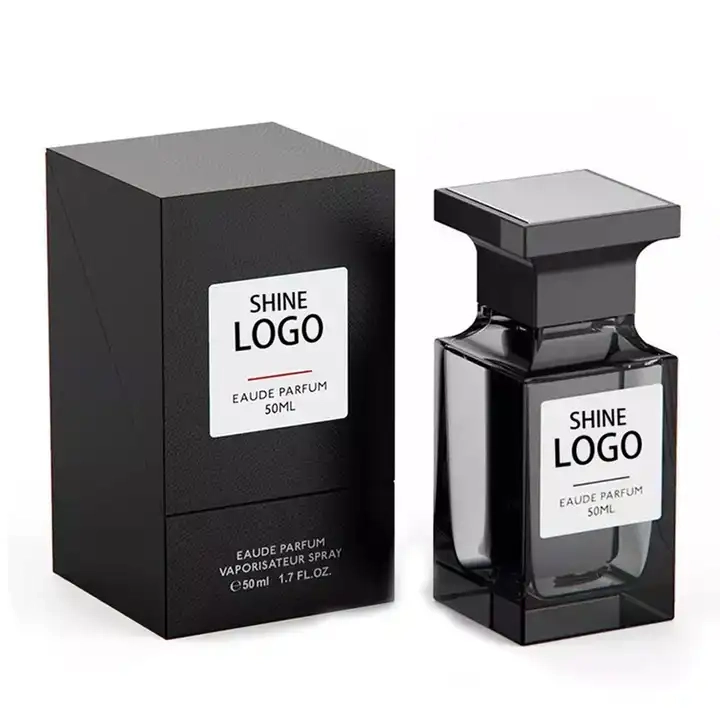
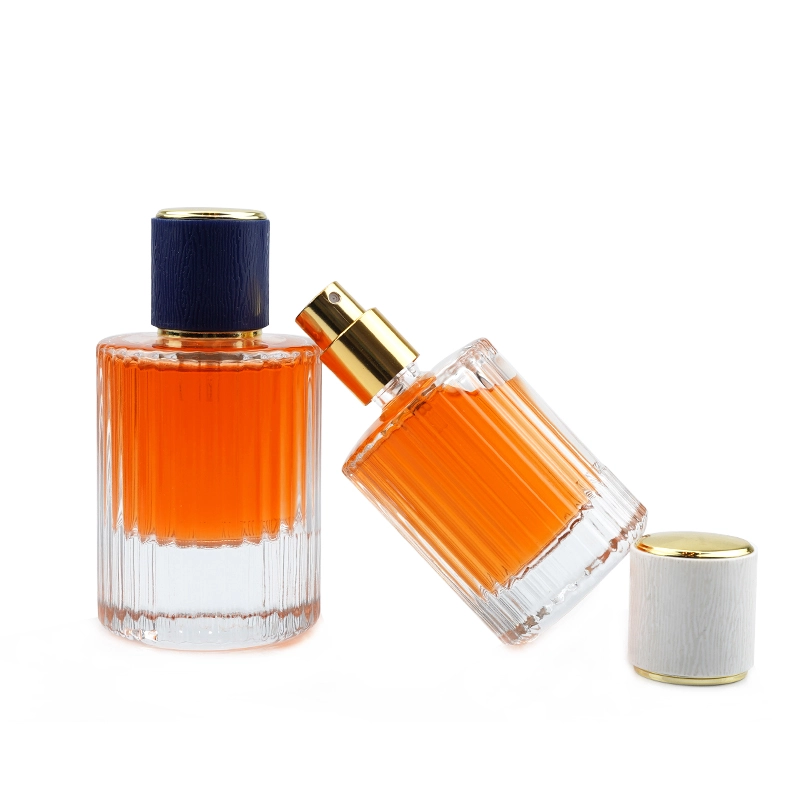
The market touches fine fragrance, personal care, and home scent products. Many buyers look for mid-weight bottles with strong clarity, smooth neck finishes, and simple shapes that match global styles. I notice more interest in embossed logos, satin coatings, thick bases, and classic rectangular forms. Argentina remains an attractive option for brands that need regional sourcing, faster replies, and stable batch control.
Policies, export incentives, and local manufacturing clusters support the industry. Some factories update their furnaces and decoration rooms to match new safety rules. Mold makers, color studios, and packaging partners work close to each other, which speeds up sampling. This structure helps new projects grow faster and keeps product development clear and efficient.
Part 2: Leading Companies
Cattorini Hnos S.A.
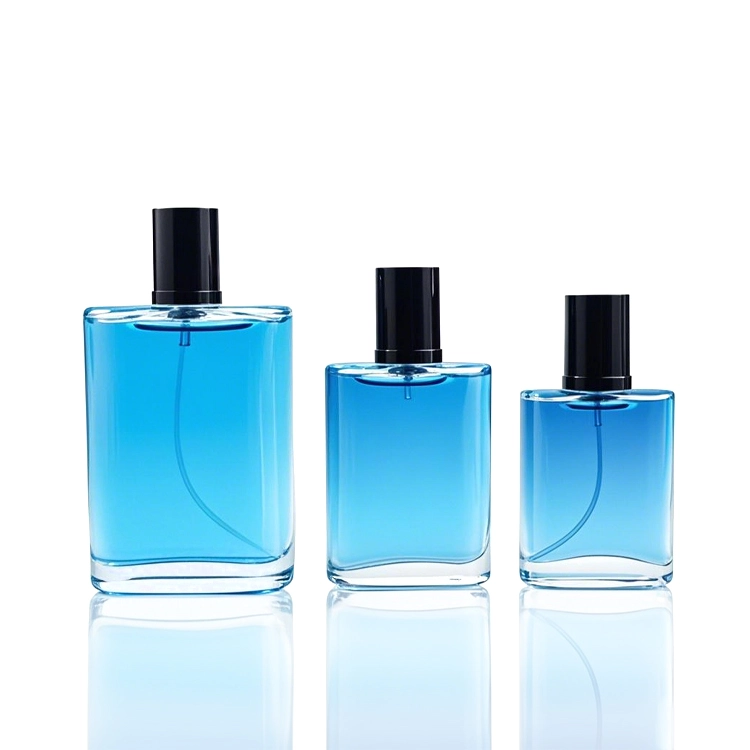
Cattorini Hnos S.A. began many decades ago and grew into one of the strongest glass manufacturers in Argentina. Their background comes from mass-market glass packaging, but they later expanded into beauty and fragrance containers. The company built a long history of stable production and high-volume reliability.
Their product range includes perfume bottles, cosmetic containers, and specialty glass shapes. They offer custom molds, color spraying, frosting, and simple metallic decoration. The company works with regional fragrance brands, personal care lines, and private-label producers. Their innovation shows in stronger forming systems and balanced wall thickness. They hold quality certifications and received recognition from regional packaging events.
Rigolleau
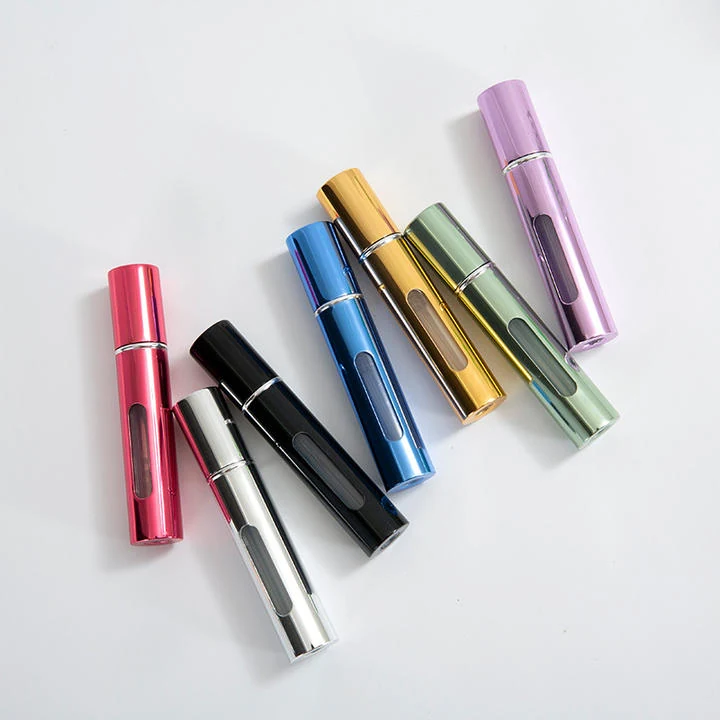
Rigolleau is one of the oldest and most well-known glass companies in Argentina. The company started with household and food glass and later grew into beauty packaging with improved precision tools. Their long history helps them understand both high-volume needs and consistent quality.
Their product line includes perfume bottles, jars, and custom flacons with clean edges. They offer color coating, UV spraying, and mold design support for brands that want unique shapes. The company serves perfume brands, cosmetic producers, and lifestyle fragrance makers. Their innovation focuses on furnace upgrades, eco materials, and structural improvements. They hold national quality certifications and packaging awards.
Vidriería San Carlos
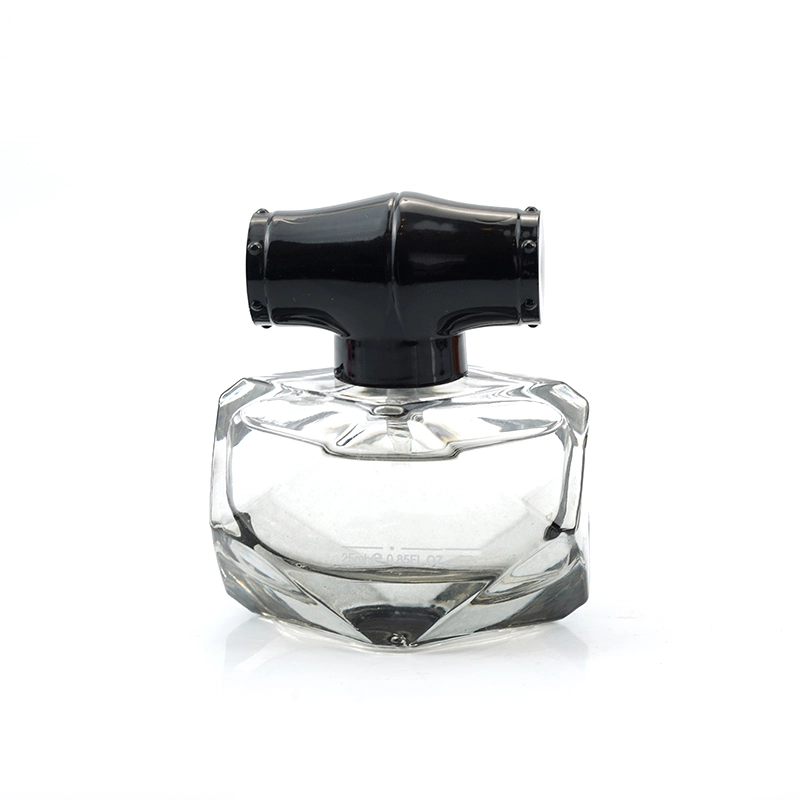
Vidriería San Carlos began as a craft-centered workshop and later expanded into a modern glass plant. Their roots in artisan work help them support small and medium batches, which many fragrance startups need. Their production style mixes clean finishing with flexible sampling.
Their products include perfume bottles, diffuser containers, and decorative flacons. They offer gradient colors, hand-finished decoration, and custom cap sourcing. The company works with niche fragrance studios, home scent brands, and boutique beauty producers. Their innovation shows in quick mold adjustments and flexible order sizes. They earned regional quality honors and design recognitions.
| Company | Founded | Core Products | Industries | Certifications |
|---|---|---|---|---|
| Cattorini Hnos S.A. | Argentina | Perfume bottles, cosmetic jars | Beauty, fragrance | Regional packaging awards |
| Rigolleau | Argentina | Perfume bottles, flacons | Perfume, personal care | National quality certifications |
| Vidriería San Carlos | Argentina | Perfume bottles, diffusers | Home scents, niche fragrance | Regional quality honors |
Part 3: Trade Shows and Industry Events
Expo Cosmética Argentina plays a major role in the beauty and fragrance supply chain. It gathers perfume brands, filling plants, and packaging suppliers. I see many companies show new coatings, heavy-bottom styles, and clean molds here. The event helps brands study design trends and find suppliers that match regional needs.
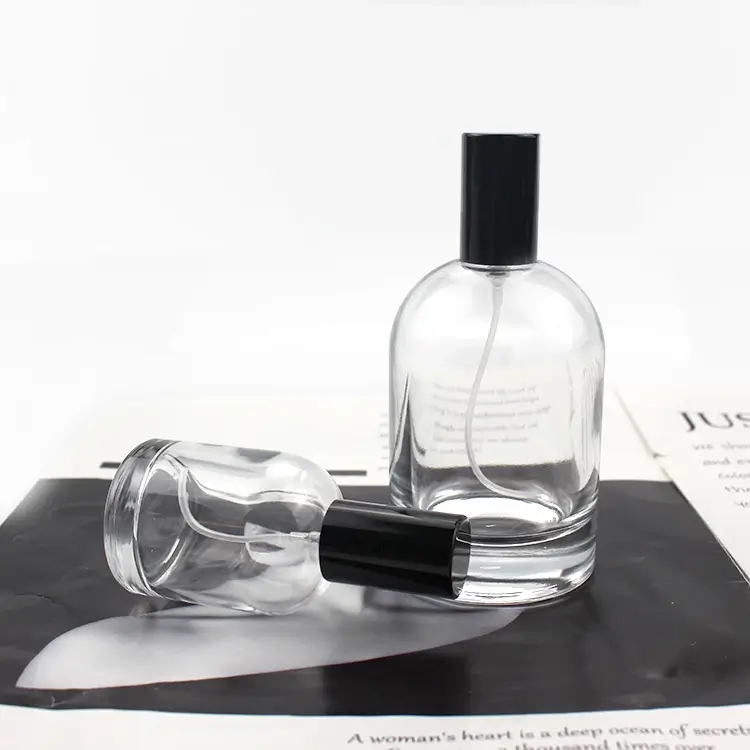
Another important event is Envase y Embalaje Argentina, a well-known packaging exhibition. Many industries join, but the beauty and fragrance segment grows every year. Glass makers use this show to present mold upgrades, lighter bottles, and decoration tools. The expo highlights eco materials, safe shipping solutions, and improved production methods.
| Event | Date | Location | Highlights |
|---|---|---|---|
| Expo Cosmética Argentina | Annual | Buenos Aires | Fragrance packaging, coating trends |
| Envase y Embalaje | Annual | Buenos Aires | Mold upgrades, eco materials |
Part 4: Impact of Global Trade Policies
Global trade rules shape how perfume bottles move across Argentina’s borders. When export rules change, factories adjust their materials, labels, and documentation. Some markets request recycled glass content, so producers update their furnaces and sorting systems. Import duties and regional agreements also influence how brands plan their sourcing, especially when they work with neighbors in South America.
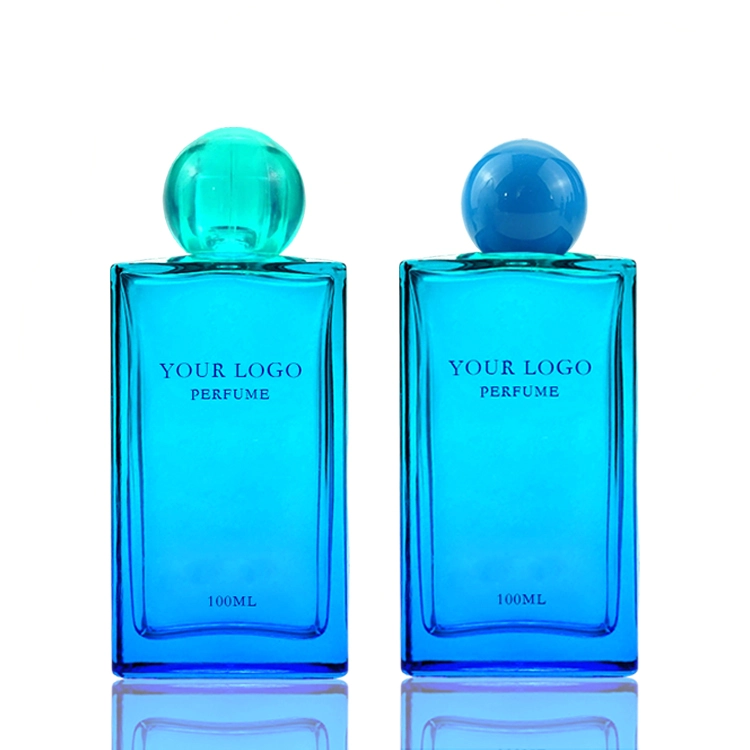
Local substitution becomes more important as shipping costs rise. Many brands choose Argentine suppliers because they want stable delivery and faster replies. Still, factories face price pressure from lower-cost regions. Many producers answer this challenge by improving forming accuracy, decoration quality, and sampling speed. They also upgrade energy systems to meet eco rules.
International competition brings pressure but also chances. Cheaper bottles appear in global markets, but many regional brands want nearby support and better communication. Argentine makers respond with flexible order sizes, customized molds, and stronger quality control. These steps help the industry stay steady even as global trade changes.
Part 5: Conclusion
The perfume bottle industry in Argentina has clear space to grow. Local factories mix strong experience with steady production, which helps them support both large beauty companies and small fragrance studios. Demand grows from brands that want reliable supply, high-clarity bottles, and clean decoration, and this keeps the industry moving forward.
Still, challenges remain. Eco rules, energy cost, and global price pressure push factories to update their equipment and improve materials. Some clients need recycled glass, lighter bottles, and stable decoration quality. Those who upgrade fast will grow, while slower factories may face limits as standards rise across the global market.
Recommended Reading:
- Perfume Bottle Manufacturer in Israel
- Perfume Bottle Manufacturer in Norway
- Perfume Bottle Manufacturer in Austria
- Perfume bottle manufacturer in Thailand
- Perfume bottle manufacturer in Ireland
- Perfume Bottle Manufacturer in Belgium
- Perfume Bottle Manufacturer in Sweden
- Perfume Bottle Manufacturer in Poland
Sunflower Engraved Lead-Free Glass Wine Cup
Glassware Manufacturers in Burkina Faso
Glass Bottle Manufacturers in Myanmar
Glass Cup Manufacturer Comoros