Skip to content
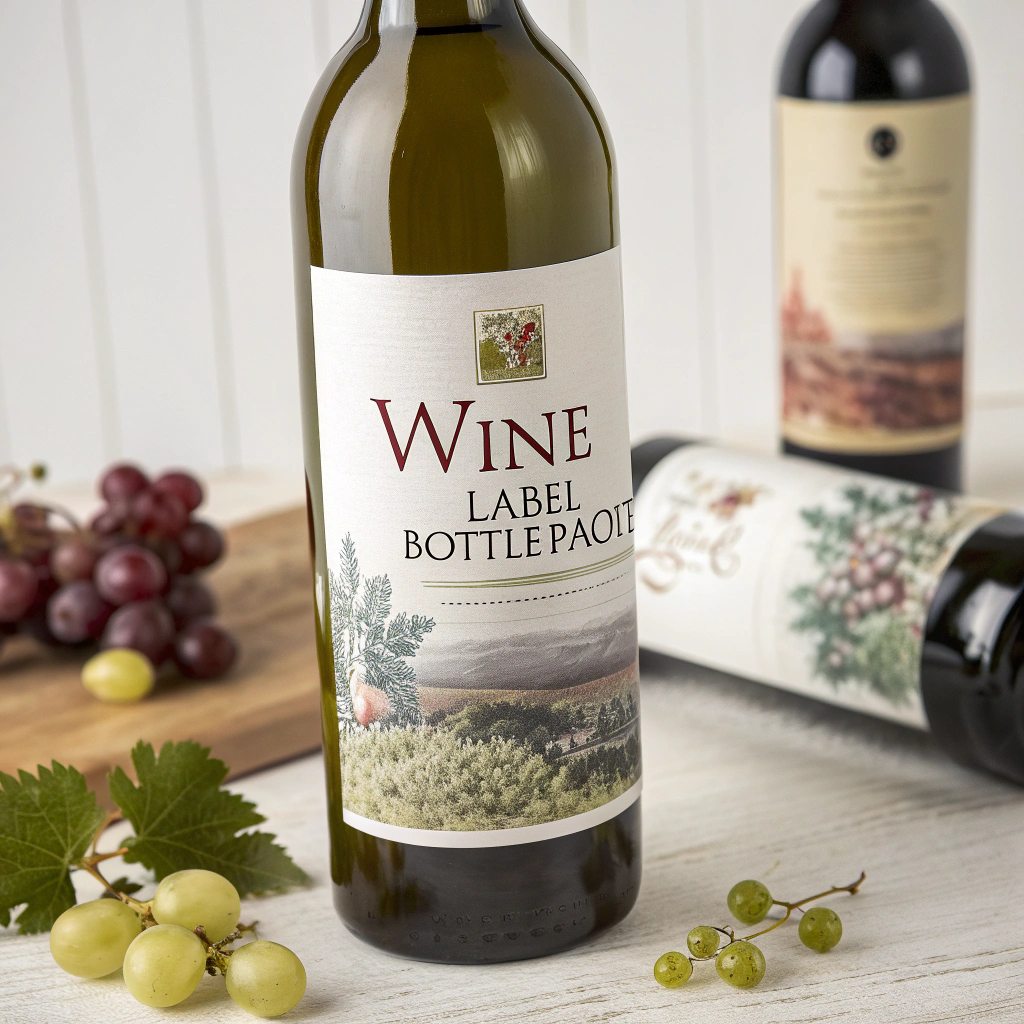
You’re reading a wine label or designing packaging for a bottle, and you pause—what’s the actual serving size for a glass of wine? Is it 6 oz, 150 ml, or something else?
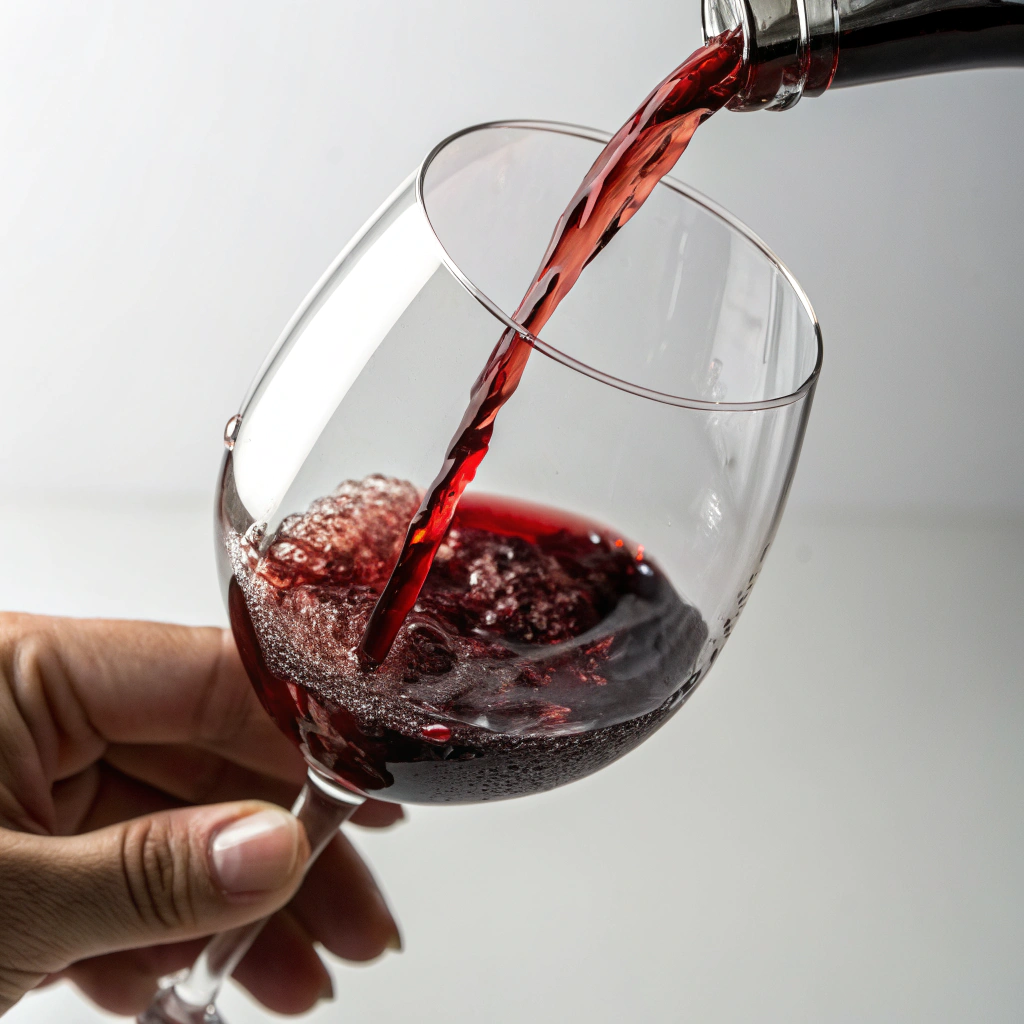
A standard glass of wine is typically 5 ounces or about 150 milliliters, as commonly used in wine servings and alcohol guidelines.
But not all wine glasses are created equal, and the answer can vary depending on context, country, and type of wine. Let’s break it down in detail.
Is a glass of wine 6 or 8 oz?
You might be in a restaurant, and they pour a full glass. But is it really a standard size or just generous?
A standard glass of wine is 5 ounces, not 6 or 8. However, some bars and restaurants may serve 6 to 8 ounces depending on their portion policy.
In most cases, especially in official health guidelines and product labeling, a standard serving of wine is 5 oz. That equals about 150 ml.
However, in some casual or upscale dining settings, it's common to find wine glasses filled with 6 oz (177 ml) or even 8 oz (236 ml) servings. This isn't because the wine itself changes—but because of customer expectations or pricing models. A larger pour might be considered more generous or better value.
Here’s a basic comparison table:
| Serving Size | Volume (oz) | Volume (ml) | Typical Use |
|---|---|---|---|
| Small | 4 oz | 118 ml | Tasting flights or small servings |
| Standard | 5 oz | 150 ml | Most standard servings and menus |
| Large | 6–8 oz | 177–236 ml | Upscale restaurants, casual dining |
In my experience working with fragrance and bottle design, this variation reminds me of how perfume bottle sizes affect customer perception. More volume can mean “better deal” to some, but the quality and intent remain the same.
Is 150ml of wine a standard drink?
You’ve probably seen “150ml” mentioned on wine bottle labels or in health articles. So, is that the universal standard?
Yes, 150ml of wine is widely recognized as a standard drink in many countries. It equals about 5 ounces and contains roughly 12% alcohol by volume.
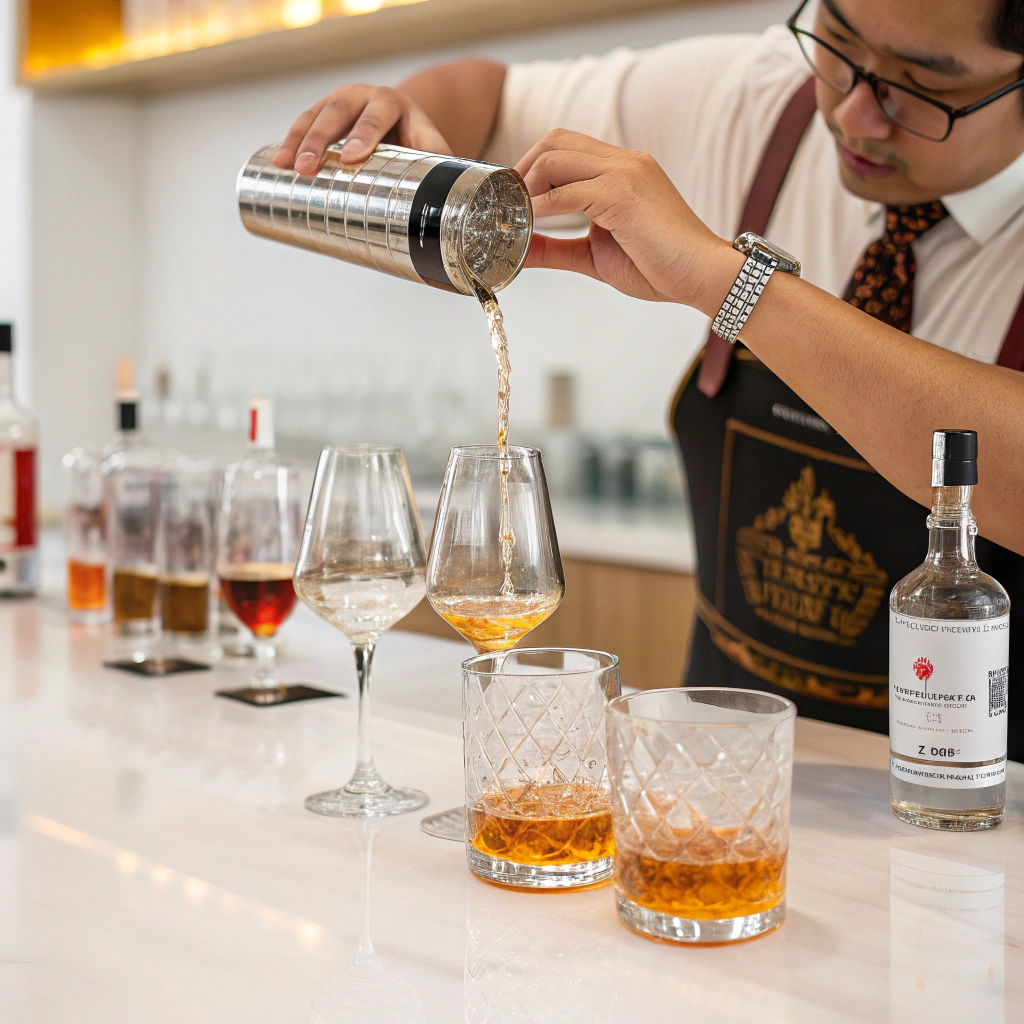
Let’s explore why 150ml is so important.
In the world of alcohol measurement, especially in health, government, and medical contexts, a “standard drink” is a unit that allows people to understand how much alcohol they’re consuming. This doesn’t change with the shape of the glass—it’s based on alcohol content.
Here’s how the math works:
- 150 ml of wine (about 5 oz) at 12% alcohol by volume (ABV) equals about 14 grams of pure alcohol.
- This matches the standard drink definition in countries like the US, UK, and Australia.
Different drinks have different standard volumes to equal one standard drink:
| Beverage Type | Volume (Standard Drink) | Typical ABV |
|---|---|---|
| Wine | 150 ml (5 oz) | 12% |
| Beer | 355 ml (12 oz) | 5% |
| Spirits (vodka, etc) | 44 ml (1.5 oz) | 40% |
For wine packaging and branding, this number is critical. When brands print "Contains 5 servings per bottle," they are assuming each serving is 150ml. This consistency helps customers measure intake and make health-conscious decisions.
What size is a typical glass of wine?
When someone says “a glass of wine,” what do they actually mean by size?
A typical glass of wine served in restaurants or at home ranges from 5 to 6 ounces (150 to 180 ml), depending on the style and pour preference.
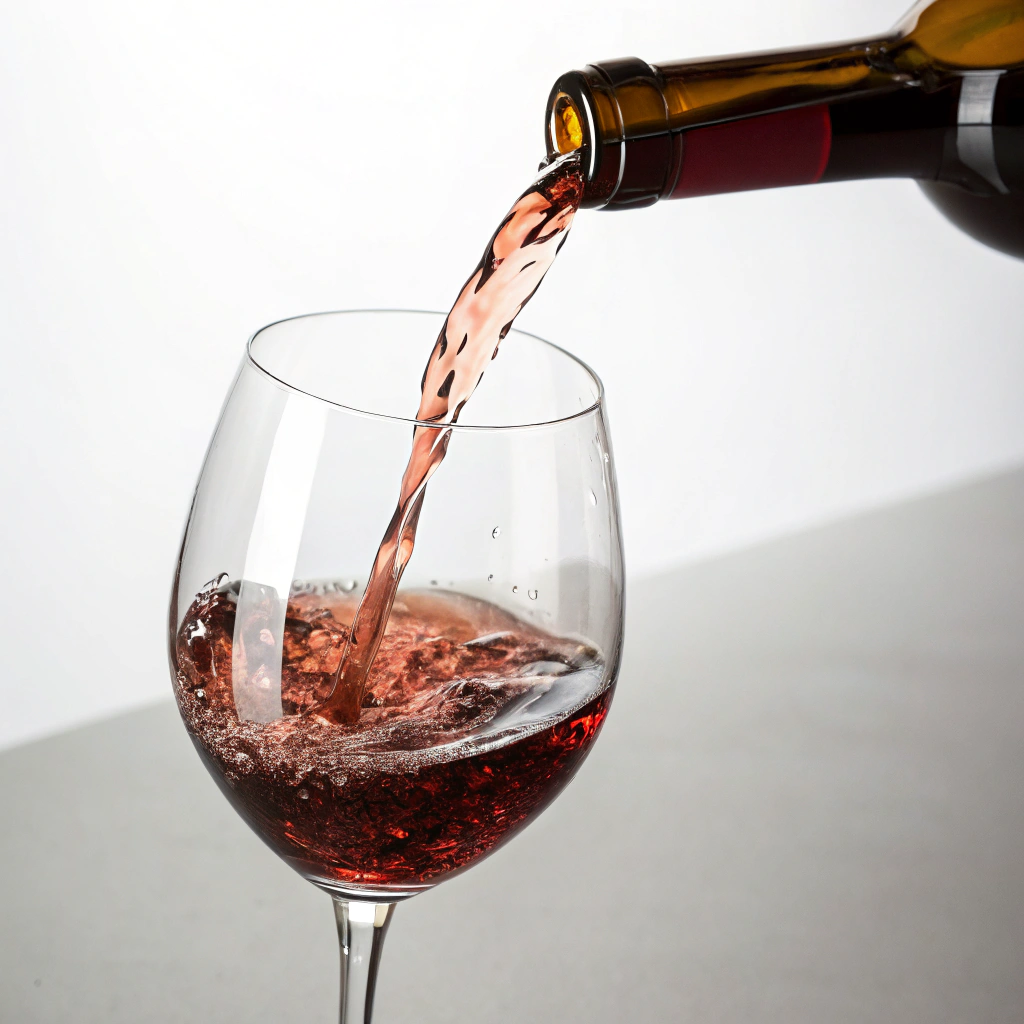
There’s no universal rule that defines what every wine pour must be, but most places stick to certain industry norms.
Here’s a breakdown of typical pours:
- Tasting Size: 2 oz (60 ml), used for wine flights and sampling.
- Standard Size: 5 oz (150 ml), commonly used in menus and dietary guidelines.
- Restaurant Pour: Often 6 oz (177 ml), to give a more generous experience.
- Home Pour: Ranges from 5 to 8 oz, depending on personal preference.
One thing I’ve learned through years in product design is that context drives presentation. Just like how a 50 ml perfume feels luxurious in the right bottle, a 5 oz wine pour feels generous in a large glass, but small in a narrow flute. Presentation shapes perception.
Wine glasses themselves vary in size, often holding up to 12–20 ounces total. But only a portion of that is filled during serving to allow room for swirling, aroma release, and presentation.
Is 125ml a small glass of wine?
You might have seen 125ml on menus or on airplane wine service. Is it considered small?
Yes, 125ml is officially recognized as a small glass of wine. It’s commonly used in pubs, airline service, or light alcohol servings.
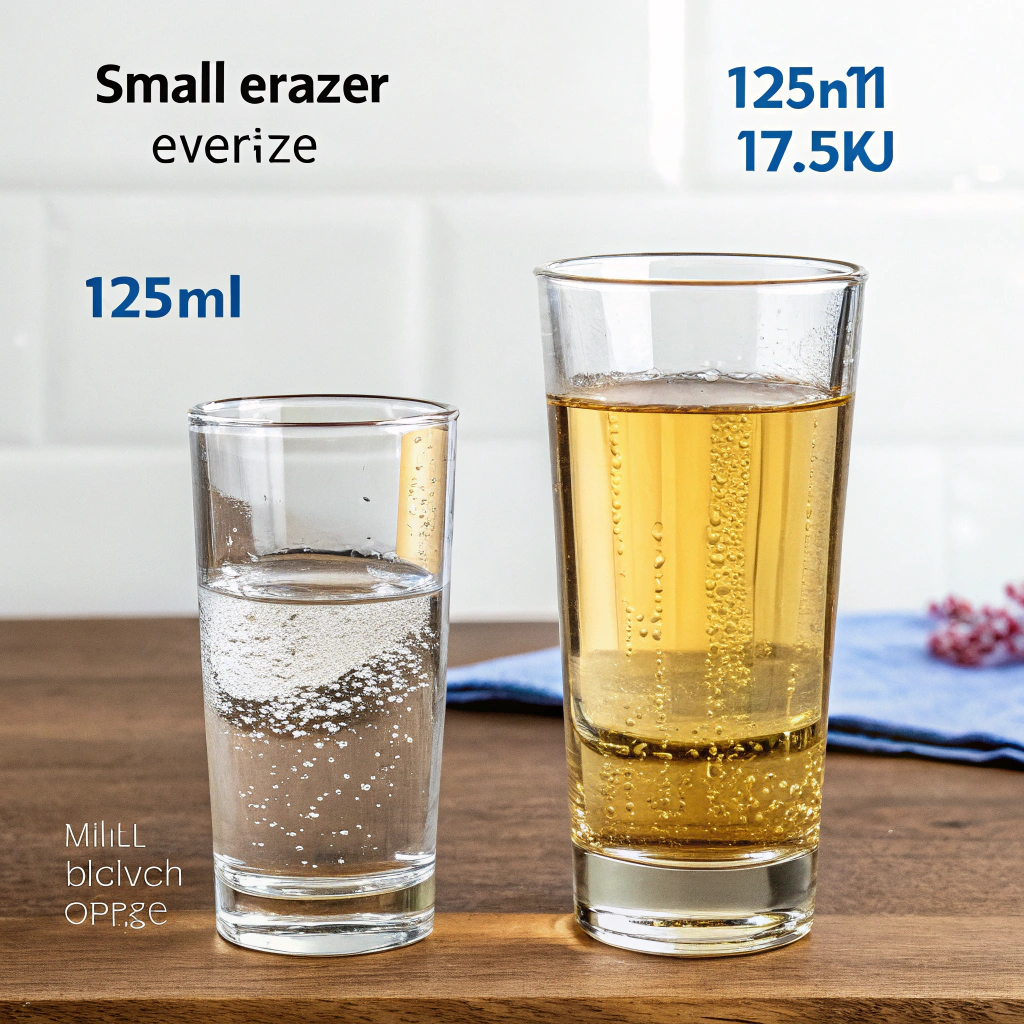
Let’s explore why 125ml is considered “small” and how it's used.
In the UK and parts of Europe, serving sizes are often categorized as:
- Small: 125 ml
- Medium: 175 ml
- Large: 250 ml
So in this context, 125ml is definitely on the lower end. It’s often chosen by:
- People watching their alcohol intake.
- Restaurants offering wine pairings with multiple courses.
- Venues with responsible serving practices.
From a business angle, offering a 125ml option provides flexibility and transparency. It’s like offering 30 ml mini bottles in perfume—a smaller size doesn’t mean lower quality, just more control.
This size still provides a full sensory experience if poured into the right shaped glass. It’s not ideal for deep swirling or extended aeration, but for light white wines or sparkling varieties, it works well.
For packaging design or marketing, knowing that 125ml is considered small helps when creating wine kits, mini bottles, or promotional offers.
Conclusion
Understanding the size of a standard glass of wine clears up confusion and helps with accurate serving, packaging, and marketing. Whether you're sipping 125ml or enjoying an 8 oz pour, knowing the norms helps you choose the right glass, serve the right amount, and communicate more clearly in the world of wine.